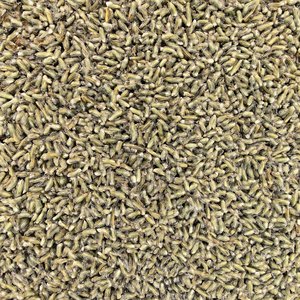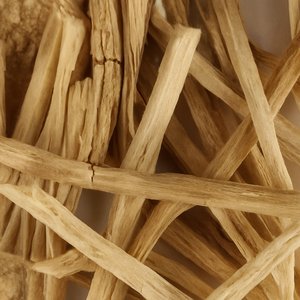
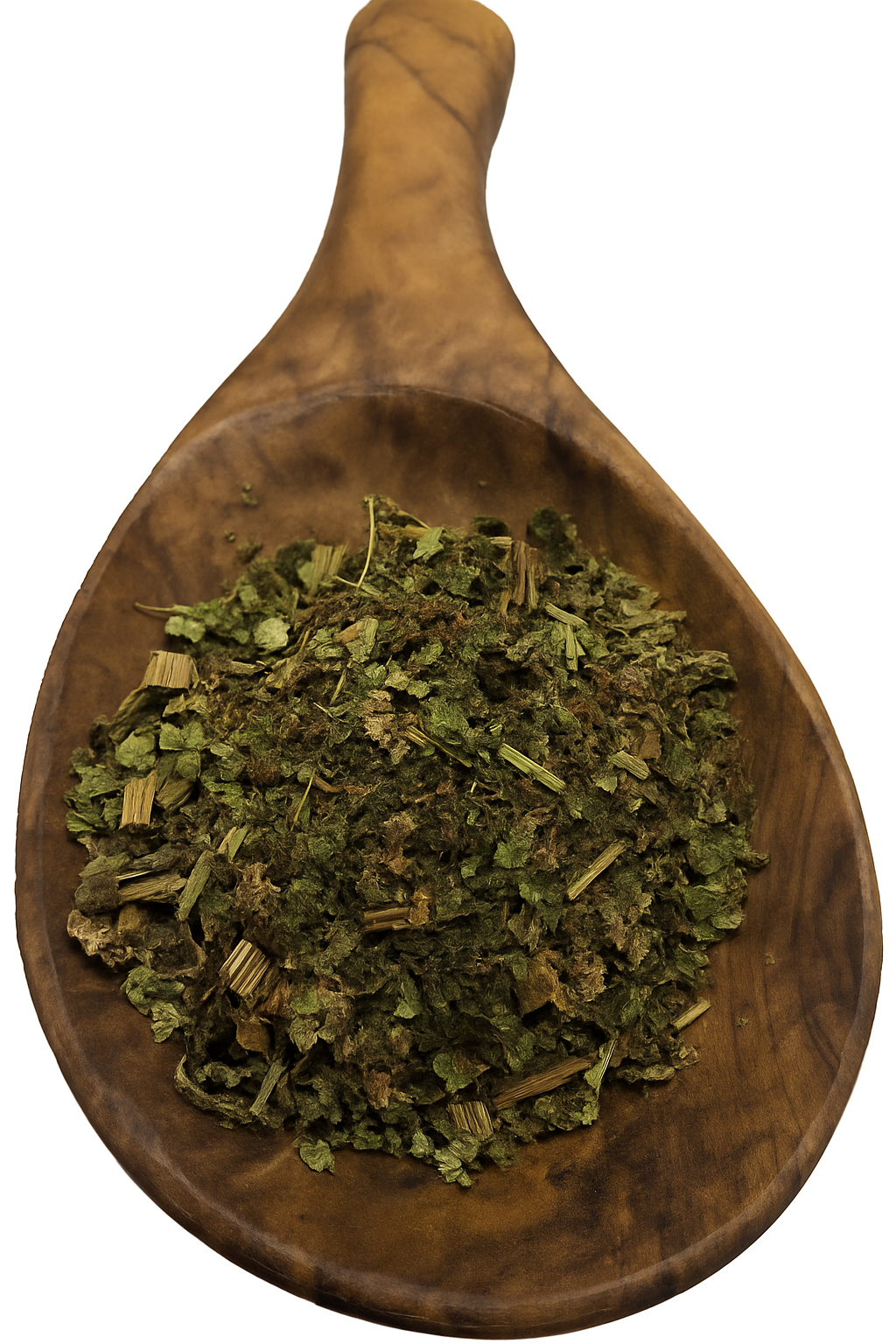
Comfrey Leaves Cut
Comfrey Leaves Cut - Herbaceous perennial used for external use only, making poultices or hot and cold compresses.





Hotline Order:
24/7
+1(865)4164178
No rephrased text is available as the original input was only a heading ("Botanical Name:") without any accompanying content. Please provide the full product description for me to assist you with rewriting it. Common Comfrey (Symphytum officinale L.)
Common Name:
- English: Comfrey, also known as Knitbone, is a plant-based remedy.
- Also referred to as:The plant known by various names including Consolide maggiore, Common Comfrey, and Symphytum officinale, has been referred to as Gum Plant, Healing Herb, Knit Bone, and Blackwort among others.
Origin: Bulgaria
Harvested: Wild
Part used: Leaves
There is no original text provided. Please paste the original product description text so I can rephrase it for you.
Comfrey (Symphytum officinale) is a perennial herb native to Europe. Comfrey is a perennial plant with a large, spreading root system. It grows 1-3 feet tall and wide, with coarse, hairy leaves that are egg-shaped or lance-shaped and have wavy edges. The basal leaves are dark green, pointed, and up to 8 inches long, while the upper leaves are smaller and attached directly to the stem. In mid-spring to early summer, comfrey produces clusters of tubular flowers in shades of white, pink, and purple that resemble bluebells.
The plant has an upright growth habit and its entire surface is covered with coarse, hairy texture. It has a branching root system, with fibrous roots that are thick, fleshy, and spindle-shaped, typically up to 1 inch in diameter and up to 12 inches long, smooth on the outside and pale white inside.
The lower leaves of this plant are quite large, measuring up to 10 inches in length. They have an oval shape and a hairy texture that can cause skin irritation upon contact.
Comfrey has been cultivated for medicinal purposes since ancient times, with records dating back to 400 BC. It was introduced to America in the 1600s by immigrants seeking its healing properties. Over time, comfrey has naturalized in many areas of the US, often growing along roadsides and in waste areas. Its nickname "Knitbone" reflects its reputation for accelerating bone repair, while its botanical name Symphytum translates literally to "to unite".
Internal use of this product is still a topic of debate. Most experts now consider these plants hazardous if ingested.
How to use:
For use on external skin only.
Leaves and roots can be used to create topical treatments such as poultices, hot packs, and cold compresses.
Precautions:
Before using this herbal product, it is essential to consult with a qualified healthcare professional, especially if you are pregnant, breastfeeding, or taking medication.
The content of this website is intended for informational purposes only.ONLY
The product label does not include a statement from Health Canada regarding its evaluation.
This product is not intended for medical diagnosis, treatment, or management of any health condition.
Add your review
Your email address will not be published. Required fields are marked *
Please login to write review!
Looks like there are no reviews yet.