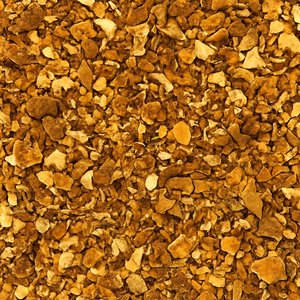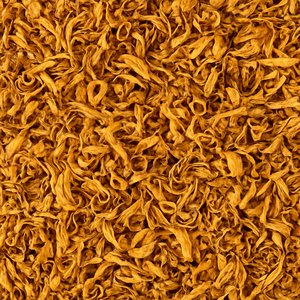
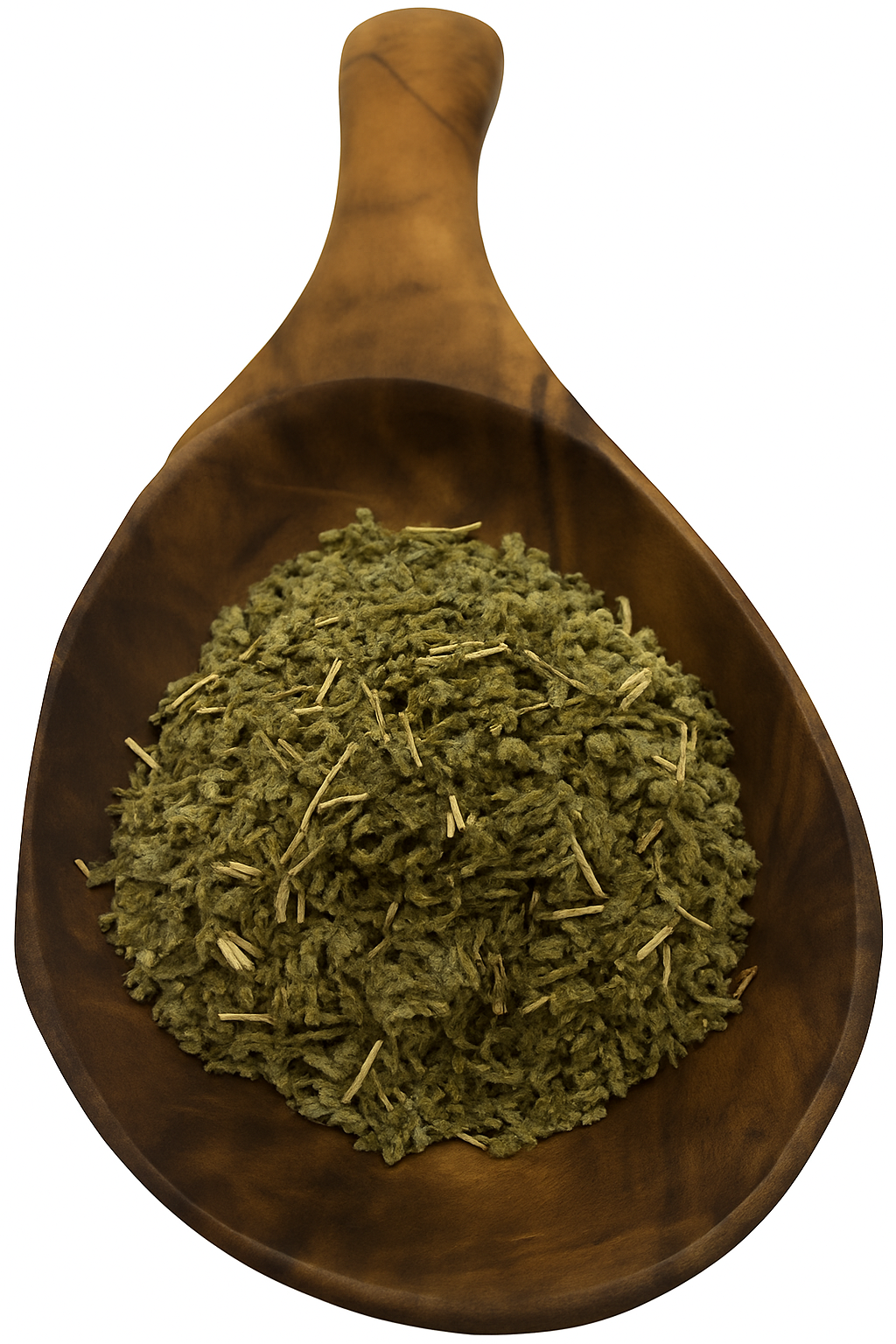
Catnip Herb Cut
Catnip Herb Cut - naturalized in the United States and found in all parts, faintly mint aromatic with a bitter taste.





Hotline Order:
24/7
+1(865)4164178
There is no product description to rephrase. The provided text appears to be a label or title for a botanical name, but it does not contain any descriptive content. If you could provide the actual product description, I would be happy to assist with rewriting it. Nepeta cataria
Common Name:
- English: Catnip
- Here is a rephrased version of the original text: Also referred to as:Here is a rephrased version of the product description text: Cat's Wort, also known as Nepeta or Catnep, has several other names including Katzenkraut, Catswort, Cataire, Nébeda, and Cataria. It is sometimes referred to as Catmint or Chi-hsueh-ts'ao.Here is the rewritten text: Catnip, catmint, and other common names for Nepeta cataria.
Origin: Ukraine
Harvested: Wild
Parts Used: Whole plant
There is no original text provided. Please paste the text you'd like me to rephrase, and I'll be happy to assist you.
This perennial herb is widely naturalized in the United States and can be found throughout its regions. The plant's root system is perennial, producing square, upright stems that branch out and grow 2-3 feet tall. These stems are covered with a fine mealy down and have small whitish hairs. The leaves are 1-2.5 inches long, heart-shaped or oblong, and pointed at the tip. They have a green upper surface and grayish-green undersides with whitish hairs. Small flowers grow on short stalks in clusters near the top of the stem, forming a dense whorl that resembles a spike. The blooms appear from June to September and feature a white corolla with purple-dotted sections and lobes. A distinctive characteristic of this plant is its calyx tube, which has 15 ribs, a trait shared by other members of the Nepeta genus.
The plant has a faintly minty aroma with a bitter taste. Its distinctive scent is reminiscent of both Mint and Pennyroyal. The names catnip and catmint are derived from the strong attraction many cats have towards them, which is driven by their response to the plant's aromatic properties. When bruised, the plant releases its fragrance, which can be irresistible to cats, often leading them to destroy it.
In France, tarragon's leaves and young stems are commonly used to flavor dishes, and it's often cultivated alongside other kitchen herbs. The plant has been valued for its medicinal properties for centuries, both in France and here.
How to use:
Hot Infusion:
To prepare dried herbs or flowers, combine 2-3 tablespoons of the dried material with hot water in a cup or teapot. Cover the container for 10-30 minutes to allow the hot water to extract the antioxidants, enzymes, vitamins, flavonoids, and volatile oils from the botanicals. Strain and press out as much liquid as possible before serving.
Tips:
- Herbal teas can be sweetened using honey, natural fruit juices, stevia leaf powder, or licorice root powder.
- Freeze your favorite tea into ice cubes or pops using standard ice trays or specialized pop molds.
Precautions:
Before using this product, it is essential to consult with a qualified healthcare professional, especially if you are pregnant, breastfeeding, or taking medication.
This website provides information for educational purposes only.ONLY
The following statement is in accordance with Canadian regulations regarding health claims.
This information is for general purposes only and should not be used as a substitute for medical advice.
Add your review
Your email address will not be published. Required fields are marked *
Please login to write review!
Looks like there are no reviews yet.