
1. Understanding Stomach Inflammation

1.1 What is Stomach Inflammation?
Stomach inflammation, medically referred to as gastritis, involves the irritation or swelling of the stomach lining. This condition can be acute, occurring suddenly and lasting for a short period, or chronic, developing gradually and persisting over time. Understanding the nature of stomach inflammation is crucial, as it lays the foundation for exploring dietary and lifestyle interventions that may alleviate symptoms.
1.2 Causes of Stomach Inflammation
Several factors are believed to contribute to the development of stomach inflammation. These can include:
- Helicobacter pylori infection: A common bacterial infection that may lead to chronic gastritis.
- Prolonged use of nonsteroidal anti-inflammatory drugs (NSAIDs): These medications can irritate the stomach lining.
- Excessive alcohol consumption: Known to damage the stomach lining over time.
- Stress and autoimmune disorders: These can also trigger inflammation.
Identifying the underlying cause is essential for managing symptoms and preventing further irritation.
1.3 Symptoms of Stomach Inflammation
Stomach inflammation can manifest through a variety of symptoms, which may differ in intensity from person to person. Common symptoms include:
- Abdominal pain or discomfort
- Nausea and vomiting
- Indigestion or bloating
- Loss of appetite
While these symptoms can be indicative of gastritis, it is essential to seek medical evaluation for an accurate diagnosis and to rule out other potential conditions.
1.4 Impact of Inflammation on the Digestive System
Inflammation can disrupt the normal function of the digestive system by impairing the stomach's ability to break down food and absorb nutrients effectively. This can lead to nutritional deficiencies and contribute to a cycle of ongoing discomfort. Research suggests that chronic inflammation may also increase the risk of developing gastric ulcers or more severe gastrointestinal disorders.
1.5 The Role of an Anti-Inflammatory Diet
Adopting an anti-inflammatory diet is believed to support digestive health by reducing inflammation and promoting healing within the stomach lining. Such a diet typically emphasizes whole foods rich in antioxidants, omega-3 fatty acids, and other nutrients known for their anti-inflammatory properties. By minimizing the consumption of irritants and focusing on nutrient-dense foods, individuals may experience relief from symptoms and enhance their overall digestive well-being.
2. The Science Behind Anti-Inflammatory Foods
2.1 Understanding Inflammation at the Cellular Level
Inflammation is a natural response of the immune system to injury or infection, characterized by the activation of immune cells, increased blood flow, and the release of inflammatory mediators. At the cellular level, inflammatory processes are regulated by complex biochemical pathways involving cytokines, enzymes, and free radicals. Chronic inflammation, however, can lead to tissue damage and is associated with various health conditions, including stomach inflammation.
The role of anti-inflammatory foods is to modulate these biochemical pathways, potentially reducing the production of pro-inflammatory cytokines and oxidative stress. This modulation can help protect the stomach lining from further damage and support healing.
2.2 Biochemical Properties of Anti-Inflammatory Foods
Anti-inflammatory foods are rich in compounds that may counteract inflammation through several mechanisms. Key biochemical properties include:
- Antioxidants: Found in fruits and vegetables, antioxidants like vitamins C and E, flavonoids, and carotenoids can neutralize free radicals, reducing oxidative stress and inflammation.
- Omega-3 Fatty Acids: Present in fatty fish, flaxseeds, and walnuts, omega-3s may inhibit the production of inflammatory eicosanoids, thus dampening the inflammatory response.
- Polyphenols: These compounds, abundant in foods like berries, green tea, and olive oil, are believed to have anti-inflammatory effects by inhibiting inflammatory enzymes and signaling pathways.
- Fibers: Dietary fibers found in whole grains and legumes can promote gut health and reduce inflammation by supporting beneficial gut microbiota and enhancing the production of short-chain fatty acids.
2.3 How Anti-Inflammatory Foods Work in the Stomach
Research suggests that anti-inflammatory foods may exert protective effects on the stomach lining through various mechanisms. By reducing oxidative stress and inhibiting inflammatory pathways, these foods can help maintain the integrity of the gastric mucosa, potentially preventing irritation and ulceration. Additionally, certain foods may enhance the production of mucus and other protective factors that shield the stomach lining from damage.
Moreover, the consumption of anti-inflammatory foods is believed to promote a balanced gut microbiome, which plays a crucial role in regulating immune responses and inflammation. A healthy gut microbiota can support the maintenance of the stomach's protective barrier, further reducing the risk of inflammation and associated symptoms.
2.4 Research Evidence and Future Directions
Numerous studies have explored the impact of diet on inflammation, highlighting the potential benefits of anti-inflammatory foods. For instance, diets rich in fruits, vegetables, and omega-3 fatty acids have been associated with lower levels of inflammation and improved symptoms in individuals with inflammatory conditions. However, more research is needed to fully understand the specific effects of these foods on stomach inflammation.
Future research may focus on identifying the most effective dietary patterns and food combinations for reducing stomach inflammation. Additionally, investigating the molecular mechanisms underlying the anti-inflammatory effects of various nutrients could lead to the development of targeted dietary strategies for managing gastritis and other inflammatory gastrointestinal disorders.
3. Top Anti-Inflammatory Foods for Gut Health
3.1 Blueberries
Blueberries are renowned for their high antioxidant content, particularly anthocyanins, which research suggests may help reduce inflammation. A study published in the "Journal of Agricultural and Food Chemistry" highlighted the role of blueberries in decreasing oxidative stress and inflammation markers in the gut. These properties support the maintenance of a healthy stomach lining by potentially mitigating inflammatory processes.
3.2 Fatty Fish
Fatty fish such as salmon, mackerel, and sardines are rich in omega-3 fatty acids, which are believed to have potent anti-inflammatory effects. According to research in "The American Journal of Clinical Nutrition," omega-3s may reduce the synthesis of inflammatory eicosanoids, thus lowering gut inflammation. Regular consumption of these fish is associated with a balanced inflammatory response in the gastrointestinal tract.
3.3 Turmeric
Turmeric contains curcumin, a compound with significant anti-inflammatory properties. Studies, such as those published in "BioFactors," indicate that curcumin may inhibit inflammatory pathways and oxidative stress, contributing to its protective effects on the stomach lining. Turmeric's potential to decrease inflammation makes it a valuable addition to a gut-friendly diet.
3.4 Green Tea
Green tea is rich in polyphenols, particularly epigallocatechin gallate (EGCG), which is believed to possess anti-inflammatory properties. Research in "The Journal of Nutritional Biochemistry" has demonstrated that green tea polyphenols may help modulate inflammatory responses and protect the gastric mucosa. Regular consumption of green tea may thus support gut health by reducing inflammation and oxidative stress.
3.5 Ginger
Ginger contains bioactive compounds like gingerol, which are thought to have anti-inflammatory and antioxidant effects. A study in "Food & Function" suggests that ginger may help decrease inflammatory markers in the gut, promoting a healthier digestive environment. Its inclusion in the diet can be particularly beneficial for those seeking to manage stomach inflammation.
3.6 Olive Oil
Olive oil is a staple of the Mediterranean diet, known for its anti-inflammatory benefits attributed to its high content of monounsaturated fats and polyphenols. Research published in "Nutrients" suggests that the consumption of olive oil may reduce inflammatory markers and support gut health. Its protective effects on the stomach lining make it a recommended choice for those looking to alleviate inflammation.
3.7 Leafy Greens
Leafy greens such as spinach and kale are rich in vitamins, minerals, and antioxidants that are believed to help reduce inflammation. Studies, including those in "Molecular Nutrition & Food Research," have found that the consumption of leafy greens may support gut health by promoting anti-inflammatory pathways. Their nutrient density makes them a valuable component of an anti-inflammatory diet.
Incorporating these foods into a balanced diet may support gut health by potentially reducing inflammation and protecting the stomach lining. While research continues to explore the full extent of these foods' benefits, their inclusion in the diet is widely recommended for their overall health-promoting properties.
4. Creating an Anti-Inflammatory Meal Plan
4.1 Understanding Anti-Inflammatory Foods
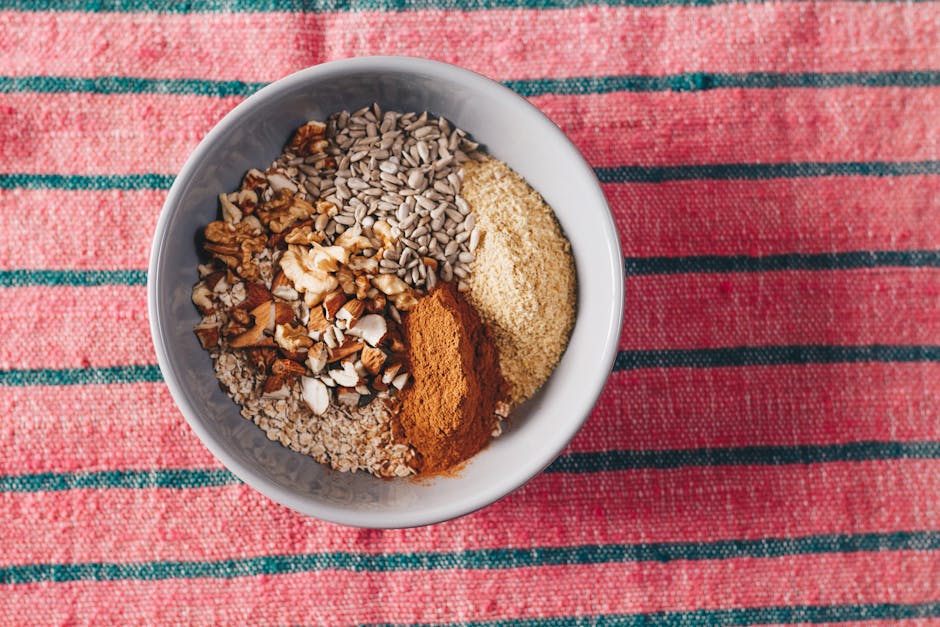
Anti-inflammatory foods are those believed to help reduce inflammation in the body, potentially benefiting gut health. These foods often contain high levels of antioxidants, omega-3 fatty acids, and other compounds that may support a balanced inflammatory response. Incorporating such foods into your meals can be a strategic approach to promoting a healthier digestive system.
4.2 Breakfast Ideas
Starting your day with an anti-inflammatory breakfast can set a positive tone for gut health. Consider these meal ideas:
- Oatmeal with Berries: Top a bowl of oatmeal with fresh blueberries and strawberries, known for their antioxidant properties. Add a sprinkle of chia seeds for extra omega-3s.
- Green Smoothie: Blend spinach, a banana, almond milk, and a tablespoon of flaxseeds. This combination provides essential nutrients and anti-inflammatory benefits.
- Avocado Toast: Use whole grain bread and top with smashed avocado and a sprinkle of turmeric for a dose of healthy fats and anti-inflammatory compounds.
4.3 Lunch Options
Midday meals can include a variety of foods that may help manage inflammation:
- Quinoa Salad: Combine cooked quinoa with cherry tomatoes, cucumber, and leafy greens. Drizzle with olive oil and lemon juice, both of which are believed to support inflammation reduction.
- Grilled Salmon: Serve with a side of sautéed kale and a slice of lemon. Salmon is rich in omega-3 fatty acids, which are thought to be beneficial for reducing inflammation.
- Vegetable Stir-Fry: Use ginger and garlic to flavor a mix of colorful vegetables. These spices are known for their potential anti-inflammatory properties.
4.4 Dinner Suggestions
For dinner, consider meals that include a balance of proteins, healthy fats, and anti-inflammatory ingredients:
- Turmeric Chicken: Marinate chicken in turmeric and olive oil, then grill or bake. Serve with a side of roasted sweet potatoes and broccoli.
- Lentil Soup: Prepare a hearty soup with lentils, carrots, celery, and spices like cumin and coriander. Lentils provide protein, while the spices may help manage inflammation.
- Mediterranean Bowl: Combine chickpeas, cherry tomatoes, cucumber, olives, and feta cheese over a bed of greens. Dress with olive oil and vinegar.
4.5 Snack Ideas
Snacks can also be an opportunity to consume anti-inflammatory foods throughout the day:
- Nuts and Seeds: A handful of almonds or walnuts can provide healthy fats and antioxidants.
- Fruit and Nut Butter: Apple slices with almond butter offer a satisfying and nutritious snack.
- Hummus with Vegetables: Pair hummus with carrot sticks or bell pepper slices for a fiber-rich, anti-inflammatory option.
By incorporating these meal and snack ideas into your daily routine, you may support your gut health through the potential anti-inflammatory benefits of various foods. These suggestions are designed to provide a balanced and enjoyable approach to eating, promoting overall well-being.
5. Product Recommendations from Our Store

5.1 Supplements for Gut Health
Supplements can play a role in supporting gut health, particularly when combined with a balanced diet. Here are some options available in our store:
- Probiotic Complex: This supplement is designed to help maintain a healthy balance of gut bacteria, which research suggests is crucial for digestive health.
- Omega-3 Fish Oil: Known for its potential anti-inflammatory properties, omega-3 supplements may support overall gut health and reduce inflammation.
- Turmeric Capsules: Rich in curcumin, these capsules are believed to have anti-inflammatory effects that could benefit the digestive system.
5.2 Food Items Supporting an Anti-Inflammatory Diet
Our store offers a range of food products that align with the principles of an anti-inflammatory diet:
- Whole Grain Oatmeal: A high-fiber option that can be a great breakfast choice, oatmeal is believed to support a healthy digestive system.
- Chia Seeds: Packed with omega-3 fatty acids, chia seeds may help reduce inflammation and support gut health.
- Almond Flour: A low-carb alternative to wheat flour, almond flour is rich in nutrients and may aid in reducing inflammation.
5.3 Herbal Teas and Beverages
Incorporating herbal teas and specific beverages into your routine can provide additional support for gut health:
- Ginger Tea: Often used for its potential digestive benefits, ginger tea is believed to aid in reducing inflammation and soothing the stomach.
- Green Tea: Rich in antioxidants, green tea may support overall health and has been linked to reduced inflammation.
- Aloe Vera Juice: Known for its soothing properties, aloe vera juice is thought to aid digestion and support a healthy gut lining.
Our store's carefully curated selection of supplements, food items, and beverages is designed to align with an anti-inflammatory diet, potentially supporting gut health and overall well-being. By choosing products that focus on natural ingredients, you can foster a more balanced and health-supportive lifestyle.
6. Lifestyle Tips to Complement Your Diet

While dietary choices are fundamental in managing GERD and enhancing digestive health, lifestyle modifications can significantly bolster the benefits of an anti-inflammatory diet. This section explores various lifestyle changes, including stress management, exercise, and other habits that may support overall digestive well-being.
6.1 Stress Management Techniques
Stress is known to exacerbate digestive issues, including GERD. Implementing effective stress management techniques can be an essential component of gut health:
- Meditation and Mindfulness: Engaging in regular meditation or mindfulness practices can promote relaxation and may help reduce stress-induced digestive discomfort.
- Deep Breathing Exercises: Practicing deep breathing can calm the nervous system, potentially alleviating stress and its impact on digestion.
- Yoga and Tai Chi: These gentle forms of exercise incorporate breath work and movement, which are believed to support mental clarity and physical relaxation.
6.2 Exercise for Digestive Health
Physical activity is an integral part of maintaining a healthy digestive system, offering multiple benefits for those with GERD:
- Regular Walks: Walking after meals is thought to aid digestion and can help manage weight, which is a known factor in reducing GERD symptoms.
- Aerobic Activities: Engaging in moderate aerobic exercise, such as cycling or swimming, may enhance digestion and support overall gut health.
- Strength Training: Incorporating strength exercises can improve body composition and metabolic health, potentially benefiting digestive functions.
6.3 Habits for Overall Digestive Health
Beyond stress management and exercise, adopting certain daily habits may further support digestive well-being:
- Eating Slowly: Taking the time to chew food thoroughly is believed to aid digestion and reduce the risk of overeating.
- Staying Hydrated: Adequate water intake is crucial for digestive health, as it helps in breaking down food and absorbing nutrients.
- Avoiding Late-Night Meals: Allowing ample time between the last meal and bedtime may help in reducing the risk of nighttime GERD symptoms.
By integrating these lifestyle changes with an anti-inflammatory diet, individuals may find improved management of GERD symptoms and a boost in overall digestive health. These practices are designed to complement dietary efforts, promoting a holistic approach to well-being.
7. Conclusion: Embracing a Holistic Approach

In the journey towards managing GERD and enhancing digestive health, adopting a holistic approach that combines both dietary and lifestyle changes is essential. By focusing on anti-inflammatory foods and integrating supportive lifestyle practices, individuals may experience significant improvements in their digestive well-being.
7.1 Key Takeaways
The importance of choosing an anti-inflammatory diet has been highlighted, as it may support gut health and overall wellness. Incorporating natural ingredients can foster a balanced lifestyle, potentially reducing the frequency and severity of GERD symptoms. Furthermore, lifestyle modifications such as stress management, regular exercise, and mindful eating are additional pillars that support digestive health.
7.2 Actionable Steps for Better Gut Health
Encouraging readers to take actionable steps involves implementing gradual changes that fit seamlessly into daily routines:
- Start with Small Dietary Changes: Introduce more anti-inflammatory foods such as leafy greens, nuts, and fatty fish into meals.
- Incorporate Stress Management Techniques: Dedicate a few minutes each day to practices like meditation or deep breathing exercises.
- Engage in Regular Physical Activity: Aim for at least 30 minutes of moderate exercise most days of the week to support digestion.
- Adopt Mindful Eating Practices: Eat slowly and savor each bite to enhance digestion and prevent overeating.
7.3 A Commitment to Lifelong Health
Ultimately, embracing a comprehensive strategy that includes both diet and lifestyle changes can lead to a more healthful and fulfilling life. It is important to remember that these adjustments are not just temporary fixes but are part of a long-term commitment to sustained well-being. By taking a holistic approach, individuals can work towards achieving a balanced digestive system and improved quality of life.