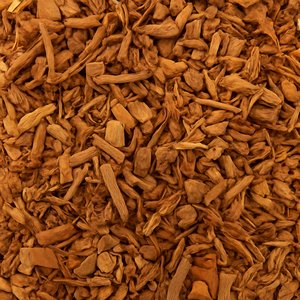
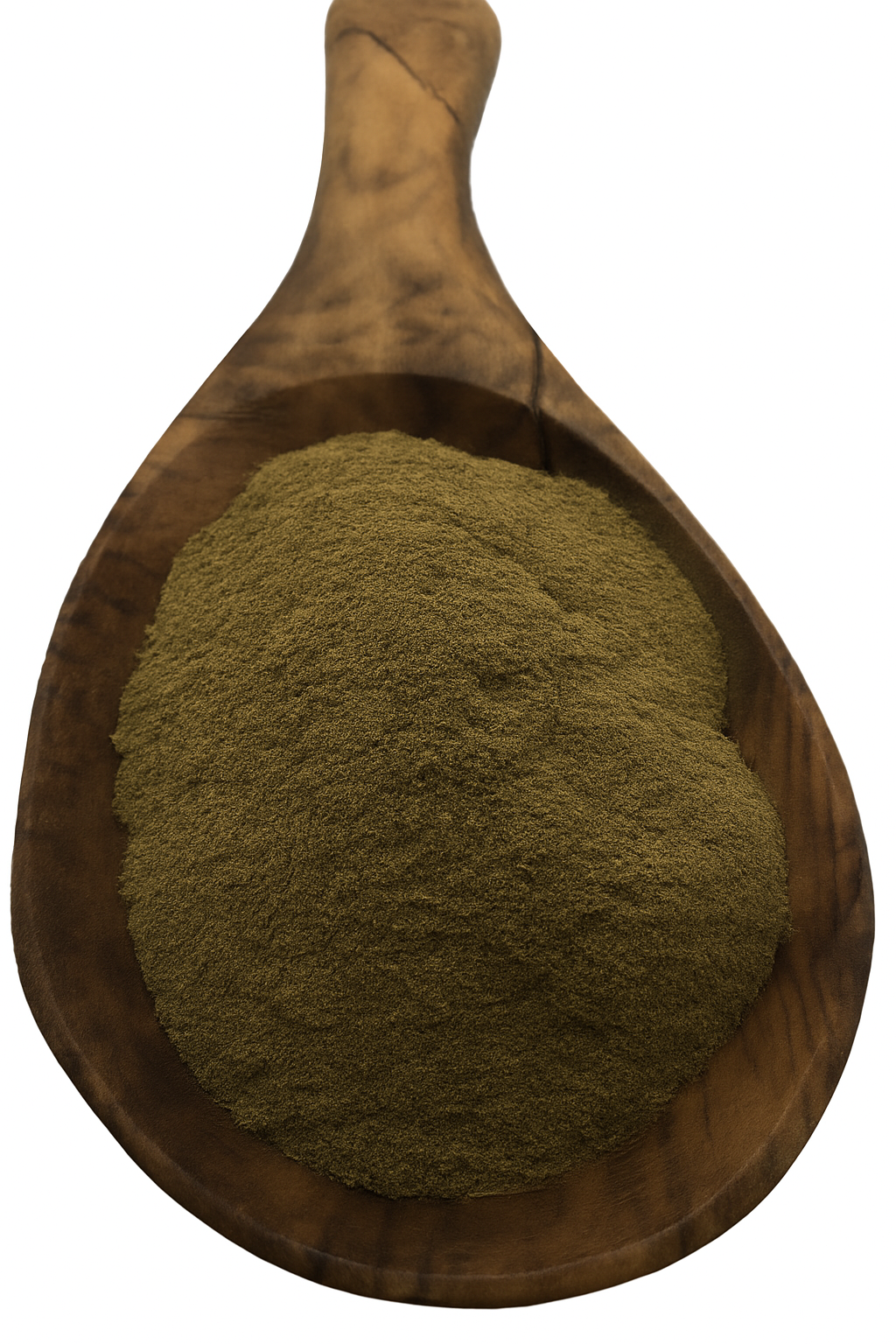
Tulsi Leaves Powder
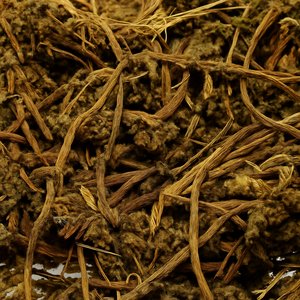
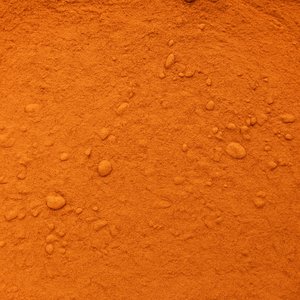
Tulsi Leaves Powder - an herb powder used for its diverse healing properties and traditional Ayurvedic and Unani system of holistic health and herbal medicine.





Hotline Order:
24/7
+1(865)4164178
Botanical Name: Ocimum sanctum
Common Name:
- English: Holy Basil, also known as Tulsi.
- Ayurvedic:List of names for the Tulsi plant: Tulasi, Surasaa, Surasa, Bhuutaghni, Suravalli, Sulabhaa, and Manjarikaa.
- Unani: Tulasi.
- Siddha:Holy Basil (Ocimum sanctum) also known as Tulsi.
- This product is also referred to as:The product is a collection of various names for the Holy Basil plant, including: Tamale, Thulasi, Tulasi, Thiru Theezai, Tulasa, Tulas, Bana Tulasi, Sacred Basil, Garden Balsam, Green Tulsi, Holy Basil, Monk's Basil, Kemangi, Kaprao, Kaphrao, and others.
Origin: India
Harvested: Wild
Parts Used: Leaves
There is no product description provided. Please provide the original text for me to rephrase. I'll keep the meaning intact, improve clarity and fluency, and return only the rewritten text without any marketing fluff.
Ancient texts such as the Atharvaveda and Ayurveda have documented a wealth of knowledge about preventive and curative medicines. It's estimated that around 13,000 plant species worldwide are used as drugs. Plant-based compounds can be extracted from various parts of plants, including bark, leaves, flowers, roots, fruits, and seeds. The medicinal properties of these materials often arise from the combination of secondary metabolites present in the plant.
Ocimum sanctumTulsi has been used in Ayurveda for thousands of years due to its diverse healing properties. This sacred herb, revered as the "Queen of herbs" and known as the "Incomparable one," is considered one of the most valuable and sacred plants in traditional Eastern medicine. It holds significant importance in both Ayurvedic and Unani systems of holistic health and herbal medicine, and is mentioned in the ancient text Charaka Samhita by Charaka.
Holy Basil has been revered in India for over 3,000 years as a sacred and potent plant. In Ayurveda, one of the world's oldest and most advanced systems of traditional medicine, it is highly valued. The Sanskrit name "Tulsi" translates to "beyond comparison," and it is also known as the "Queen of Herbs" and the "Mother of Medicine." There are several varieties of holy basil, including Rama TulsiOcimum sanctumThis plant has green leaves and is the most widely grown and readily available variety of holy basil, making it easily accessible for purchase. (Note: The second part of the original text was not provided, so I couldn't rephrase it.)Ocimum sanctumThis variety of tulsi has leaves with a deeper purple hue, similar to those found on Rama Tulsi.
Ocimum sanctumThis sub-shrub grows upright, 30-60 cm tall, with many branching stems. It has simple, opposite leaves that are green or purple and have a strong scent. The leaves are hairy and ovate, up to 5 cm long, often slightly toothed at the edges. They attach to the stem via a short petiole. Purple flowers grow in elongated clusters, forming tight whorls. Tulsi is an aromatic shrub belonging to the Lamiaceae family, which includes basil.
For over 5,000 years, Hindus have revered the Tulsi herb as part of their daily worship, both morning and evening. Its numerous benefits have made it a widely recognized plant not only in India but globally. The term "Tulsi" translates to "incomparable plant," which is also its Sanskrit name for Holy Basil.
How to use:
Powdered Herb:
Powdered herbs can be used in a variety of ways.
You can add powdered herbs to various food products such as smoothies, sauces, spreads, and baked goods like cookies. For children, mix the powder with honey or glycerin to create a paste. The thicker the paste, the stronger the herbal flavor will be. This combination helps mask the taste of the herb with the sweetness of the honey or glycerin, making it easier for kids to take. This method is also known as "Electuaries".
Encapsulating your own powdered herb at home allows you to ensure that each capsule contains only pure herb, without fillers or additives. The capsules can be taken with a liquid.
To make a poultice, mix an herbal powder with a liquid, such as water, to create a paste that can be applied directly to the skin. This approach is particularly effective in treating various skin issues.
Mix powdered herbs with water, fruit juice, or another liquid to create a concentrated herbal drink.
Precautions:
Before using this herbal product, consult a qualified healthcare professional, especially if you're pregnant, breastfeeding, or taking medication.
The content of this website is intended for informational and educational use only.ONLY.
The claims made about this product have not been reviewed or approved by Health Canada.
Here is a rephrased version of the given text: "This information"NOTNot intended for use in diagnosing, treating, curing, or preventing any medical condition.
Add your review
Your email address will not be published. Required fields are marked *
Please login to write review!
Looks like there are no reviews yet.