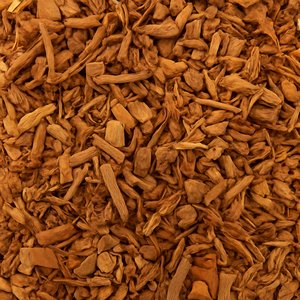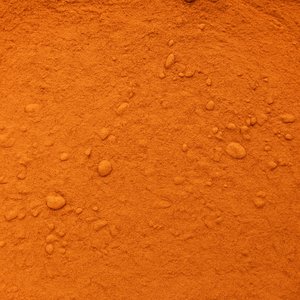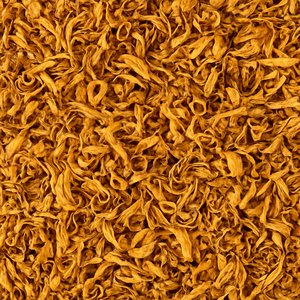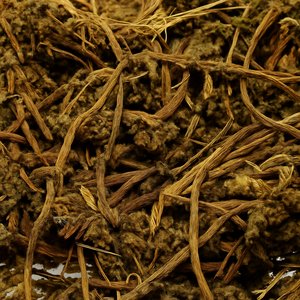
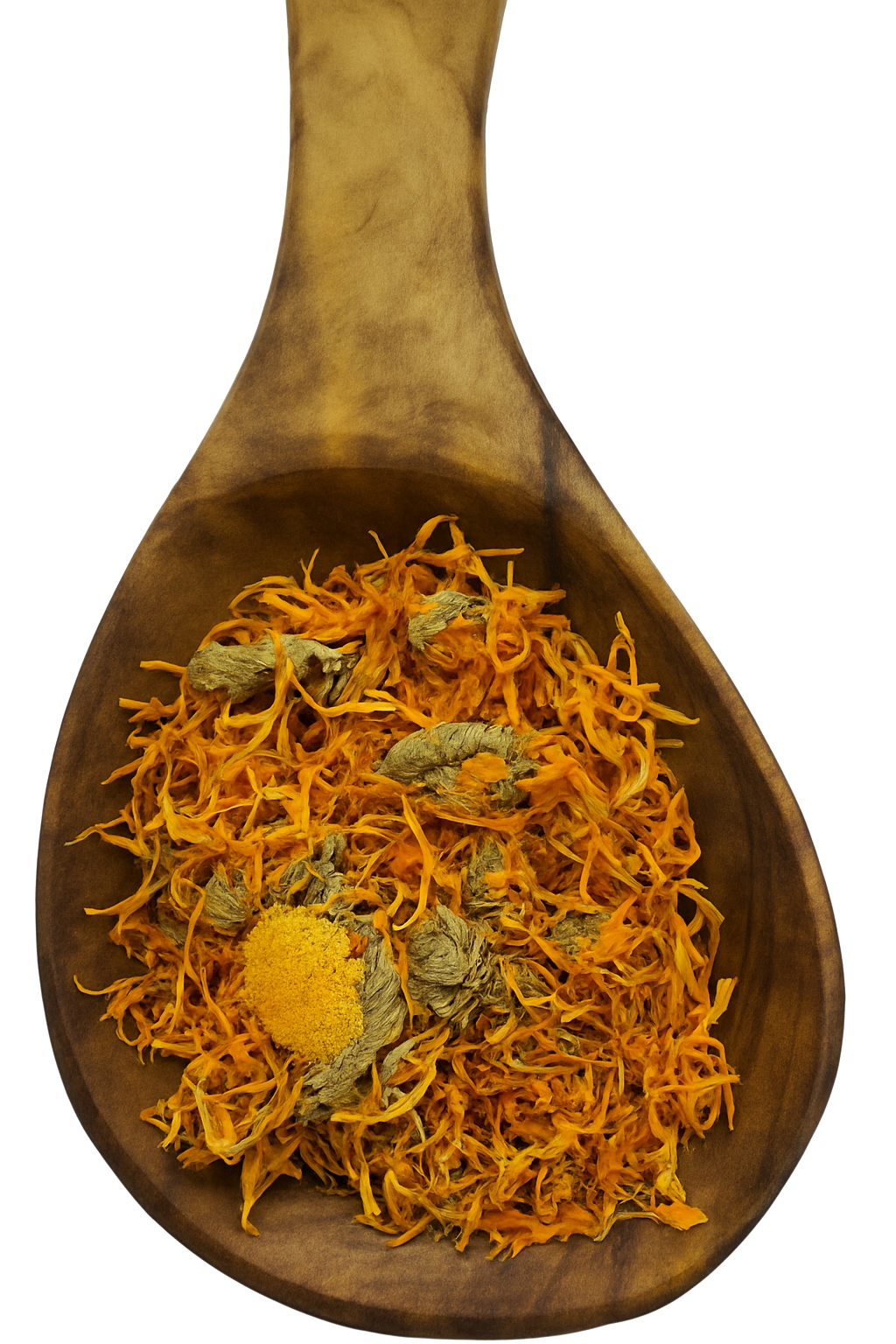
Calendula Flower Whole (Marigold)
Calendula Flower Whole (Marigold) - a medicinal herb used for its antioxidant and anti-inflammatory properties.





Hotline Order:
24/7
+1(865)4164178
The botanical name of a plant is the scientific term used to identify it. This unique identifier consists of a combination of words that describe its characteristics and classification within the plant kingdom. Common Marigold or Pot Marigold.
Common Name:
- English:Calendula officinalis, also known as pot marigold.
- Unani: Zergul
- Known also as:Calendula is also known by many other names, including English Garden Marigold, Fleur de Calendule, and Pot marigold.
Origin: Egypt
Harvested: Cultivated
Parts Used: Whole Flower
There is no text provided. Please provide the original product description text so I can rephrase it for you.
For over 900 years, calendula has been valued for its medicinal properties. Its flowers have been utilized in various cultures, including ancient Greece, Rome, the Middle East, and India, not only as a healing agent but also to color fabrics, food, and cosmetics. Many of these traditional uses remain relevant today.The calendula plant (Calendula officinalis) grows up to 90 cm tall and has a fragrant, herbaceous appearance.
The plant's leaves are spirally arranged, 5-15 cm long, simple, and slightly hairy. Its flower heads range from pastel yellow to deep orange, measuring 3-5 cm in diameter, and contain both ray and disc florets. Most varieties have a distinctive spicy aroma. Flowering occurs from June to November, with seeds ripening between August and November. The plant produces either male or female flowers, but both sexes are often found on the same individual. Bees pollinate these flowers, which attract wildlife. The plants typically bloom in June and continue until frost kills them. If allowed to self-seed, they will increase in number from year to year. To preserve the ray florets, they should be dried quickly in a shaded area with good air circulation, spread out loosely on paper without touching each other. The Common Marigold is easily recognizable by its pale-green leaves and golden orange flowers.
Calendula is a highly versatile and significant herbal remedy. Although it's also used in homeopathic medicine, our product differs from traditional preparations in terms of its processing and therapeutic approach. It has elevated concentrations of nitrogen, phosphoric acid, and Vitamin A.
The flowers can be used to add colour to salads or as a garnish, replacing saffron if needed. They can also be boiled to extract a yellow dye.
This product is not related to the Tagetes genus of plants, which includes true marigolds (also known as French or African marigolds) that are often grown in gardens.
How to use:
Hot Infusion:
To make a tea using dried herbs or flowers, combine 2-3 tablespoons of the dried material in a cup or teapot. Pour hot water over it, then cover with a lid for 10-30 minutes to allow the ingredients to infuse. This process releases antioxidants, enzymes, vitamins, flavonoids, and volatile oils from the botanicals into the liquid. Strain and press out as much liquid as possible before serving.
Tips:
- Herbal teas can be sweetened using honey, natural fruit juices, stevia leaf powder, or licorice root powder.
- Freeze tea in ice trays to create ice cubes or use pop molds to make frozen tea pops.
Precautions:
Before using this herbal product, please consult with a healthcare professional, especially if you're pregnant, breastfeeding, or taking medication.
This website provides information for educational purposes only.ONLY
The following statement is in accordance with regulatory requirements regarding health claims: This product has not been assessed for safety or efficacy by Health Canada.
This product is not intended for use as a diagnostic tool or treatment for any medical condition.
Add your review
Your email address will not be published. Required fields are marked *
Please login to write review!
Looks like there are no reviews yet.