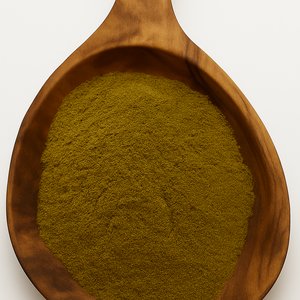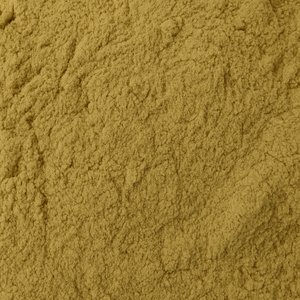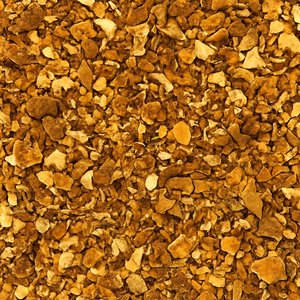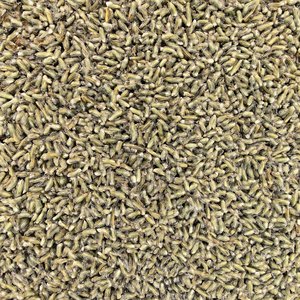
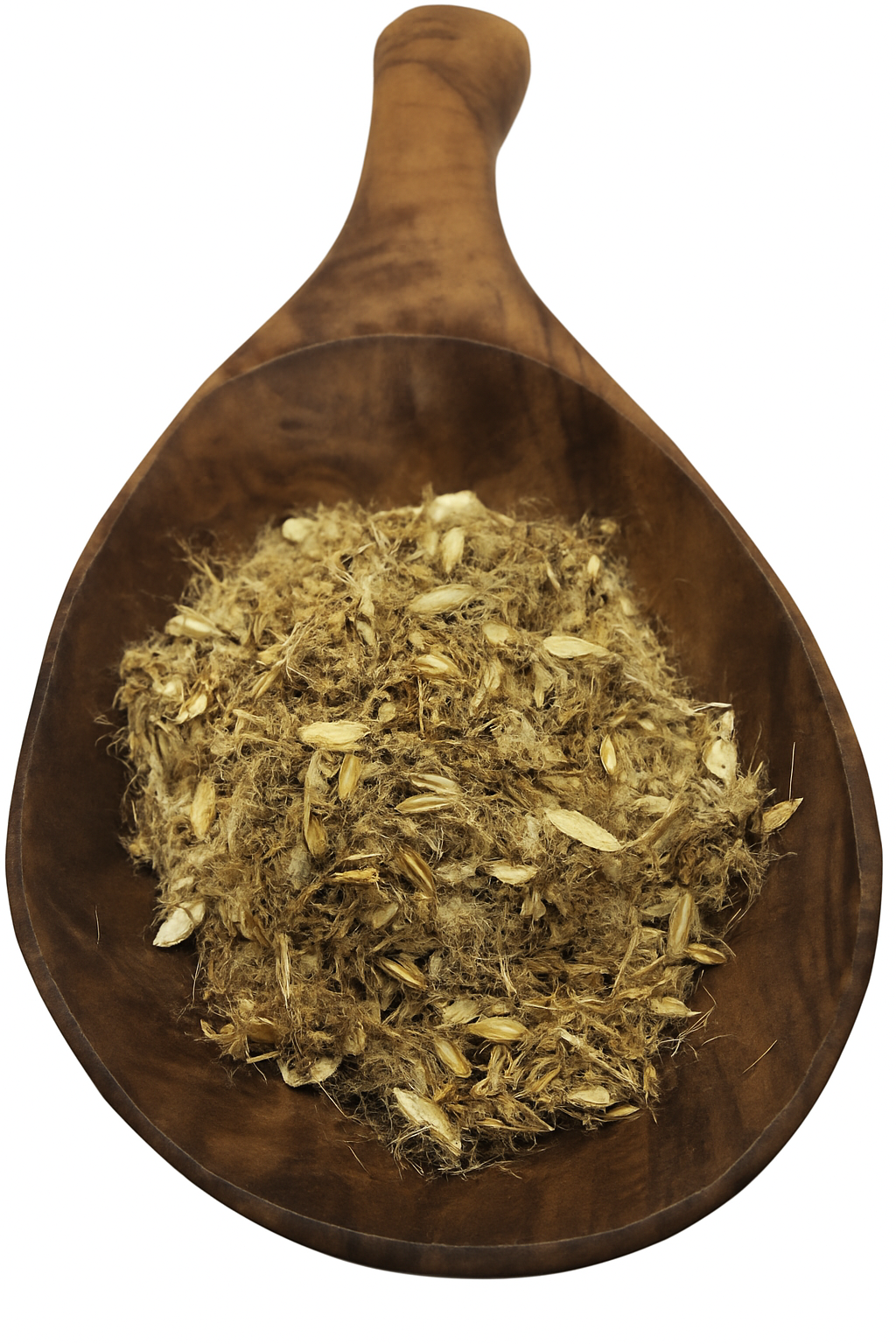
Blessed Thistle Herb Cut
Blessed thistle leaves and stems are traditionally used to enhance appetite and digestion in bitter tonic drinks.





Hotline Order:
24/7
+1(865)4164178
Product Details: The botanical name refers to the scientific classification of a plant, specifically its genus and species.Blessed Thistle (Centaurea benedicta)
Common Name:
- English:Silybum marianum, also known as Holy thistle or Lady's thistle.
- Also referred to as:The plant is known by several names: Carduus, St. Benedict's thistle, Cardin, Blessed cardus, and Bitter thistle, as well as Spotted thistle.
Habitat: Europe
Origin: Hungary
Harvested: Wild
Parts Used: Aerial parts
There is no original text provided. Please provide the product description text you would like me to rephrase, and I will be happy to assist you.
Traditionally, blessed thistle leaves, stems, and flowers are used to make bitter tonics and other oral preparations that help stimulate appetite and improve digestion.Blessed thistle is native to both Asia and Europe, and is cultivated globally, including the United States. This annual plant grows up to 2-3 feet tall, with straight brown stems covered in fuzz. The lanceolate leaves are accompanied by yellow flowers that bloom from late spring through summer at the top of the plant. The leaves have a strong bitter taste and unpleasant odor. When extracted with cold water, only some of their properties are released, but boiling water extracts all of them, producing a very bitter decoction. Acid treatment yields a neutral compound called niacin, which is crystalline, odorless, soluble in alcohol, and sparingly soluble in boiling water, with a bitter flavor.
How to use:
Hot Infusion:
To prepare dried herbs or flowers, combine 2-3 tablespoons of the dried material in a cup or teapot. Pour hot water over it, then cover and let steep for 10-30 minutes. The heat helps release antioxidants, enzymes, vitamins, flavonoids, and volatile oils from the botanicals. Strain and press out as much liquid as possible before serving.
Tips:
- Herbal teas can be sweetened using alternatives such as honey, natural fruit juice, stevia leaf powder, or licorice root powder.
- Freeze tea in an ice tray or pop mold to create ice cubes or pops.
Precautions:
Before using this herbal product, it's essential to speak with a qualified healthcare professional. This is especially important if you're pregnant, breastfeeding, or taking medication.
This website provides information for educational purposes only.ONLY
This product has not been assessed for safety or efficacy by Health Canada.
This information does not claim to diagnose, treat, cure, or prevent any medical condition.
Add your review
Your email address will not be published. Required fields are marked *
Please login to write review!
Looks like there are no reviews yet.