
1. Understanding H Pylori and Its Impact on Gut Health

1.1 The Biology of H Pylori
Helicobacter pylori, commonly referred to as H Pylori, is a type of bacteria that resides in the stomach lining. It is a spiral-shaped bacterium that can burrow into the mucous layer of the stomach, which potentially allows it to evade the acidic environment typically hostile to many microorganisms. Research suggests that H Pylori has coexisted with humans for thousands of years, indicating its pervasive nature and adaptability.
1.2 The Role of H Pylori in Gut Health
H Pylori plays a complex role in gut health. While some studies propose that it might have a protective function by regulating stomach acidity and microbial balance, chronic infection is often associated with adverse outcomes. The bacterium is believed to disrupt the integrity of the stomach lining, leading to inflammation and potential damage over time. This disruption is a key factor in the development of various gastric conditions.
1.3 Common Symptoms of H Pylori Infection
Individuals with an H Pylori infection may experience a range of symptoms. Common symptoms associated with chronic infection include:
- Abdominal pain or discomfort
- Bloating and frequent burping
- Nausea or vomiting
- Loss of appetite
- Unintentional weight loss
It is important to note that many people with H Pylori do not exhibit noticeable symptoms, which can complicate diagnosis and treatment.
1.4 Health Issues Linked to Chronic H Pylori Infection
Chronic H Pylori infection is linked to several gastrointestinal health issues. It may contribute to the development of peptic ulcers, as the bacterium's presence can weaken the stomach's protective lining. Research indicates that there is also a correlation between H Pylori infection and an increased risk of gastric cancer. Additionally, the inflammation associated with the infection can lead to gastritis, which is characterized by irritation and inflammation of the stomach lining.
Understanding the impact of H Pylori on gut health is crucial for managing its potential effects and exploring treatment options. While some individuals may coexist with the bacterium without significant issues, others may experience severe health complications, underscoring the need for further research and awareness.
2. Conventional Treatments vs. Natural Compounds

2.1 Conventional Treatments for H Pylori
The conventional approach to treating H Pylori infection primarily involves the use of antibiotics. This treatment is often referred to as "triple therapy," which typically includes two antibiotics combined with a proton pump inhibitor (PPI) to reduce stomach acidity. The goal of this regimen is to eradicate the bacterium and promote healing of the stomach lining.
While antibiotics have been proven effective in eliminating H Pylori in many cases, they are not without drawbacks. One major concern is antibiotic resistance, which can significantly reduce treatment efficacy. Furthermore, antibiotics may also disrupt the balance of gut microbiota, potentially leading to side effects such as diarrhea, nausea, and an increased risk of recurrent infections.
2.2 The Rise of Natural Compounds
Natural compounds are gaining attention as alternative or complementary options for managing H Pylori infections. These compounds are derived from various sources, including plants and foods, and are believed to offer antibacterial properties without the side effects associated with antibiotics. Examples include probiotics, honey, garlic, and certain herbal extracts like mastic gum and green tea.
Research suggests that some natural compounds may help inhibit the growth of H Pylori or enhance the effectiveness of conventional treatments. Probiotics, for instance, are believed to support gut health by restoring microbial balance, while honey has demonstrated antibacterial activity in laboratory settings. However, it is important to note that more rigorous clinical trials are needed to fully understand the potential of these natural alternatives.
2.3 Weighing the Pros and Cons
When comparing conventional treatments with natural compounds, several factors need consideration. Antibiotics offer a well-established method of eradicating H Pylori, with a higher immediate success rate in many cases. However, their use is accompanied by potential side effects and the risk of antibiotic resistance. On the other hand, natural compounds present a promising alternative with fewer side effects and a more holistic approach to gut health. Yet, their efficacy may vary, and they often require longer treatment durations and more comprehensive lifestyle changes.
Ultimately, the choice between conventional treatments and natural compounds should be guided by individual health needs, potential risks, and the advice of healthcare professionals. A balanced approach that considers both options may offer the best outcomes, emphasizing the importance of personalized and evidence-based treatment strategies.
3. The Power of Probiotics in Combating H Pylori

3.1 Understanding Probiotics and Their Role
Probiotics are live microorganisms, often referred to as "good" or "friendly" bacteria, that are believed to provide health benefits when consumed in adequate amounts. They are commonly found in fermented foods such as yogurt, kefir, and sauerkraut, as well as in dietary supplements. Research suggests that probiotics may support gut health by maintaining or restoring the natural balance of the microbiota, which can be disrupted by various factors, including antibiotic use.
3.2 Scientific Evidence Supporting Probiotics for H Pylori
Several studies have explored the potential benefits of probiotics in managing H Pylori infections. Research indicates that certain probiotic strains may help inhibit the growth of H Pylori or enhance the efficacy of conventional treatments. This antimicrobial activity is thought to occur through various mechanisms, including the production of bacteriocins, competition for adhesion sites on the gastric mucosa, and modulation of the host's immune response.
A meta-analysis of randomized controlled trials found that probiotics, when used as an adjunct to standard antibiotic therapy, improved the eradication rates of H Pylori and reduced the incidence of treatment-related side effects. However, the effectiveness of probiotics may vary depending on the specific strains used and the dosage administered, highlighting the need for further research to identify optimal combinations.
3.3 Specific Probiotic Strains of Interest
Not all probiotics are created equal, and specific strains have shown more promise in the context of H Pylori management. Some of the most studied strains include Lactobacillus and Bifidobacterium species. For example, Lactobacillus reuteri and Lactobacillus rhamnosus have demonstrated potential in reducing H Pylori colonization and improving gastric health in clinical studies.
Additionally, Bifidobacterium bifidum and Bifidobacterium longum have been investigated for their ability to enhance the immune response and support the integrity of the gastric lining. The combination of different strains may offer synergistic effects, further supporting their role as a complementary approach in H Pylori treatment strategies.
3.4 Considerations and Future Directions
While the use of probiotics presents a promising avenue for managing H Pylori infections, it is important to approach this option with a critical eye. The variability in probiotic formulations, differences in study designs, and individual patient responses all contribute to the complexity of translating research findings into clinical practice.
Future research should focus on large-scale, well-designed clinical trials to determine the most effective probiotic strains, dosages, and treatment durations. Additionally, understanding the interactions between probiotics and antibiotics can help optimize treatment regimens and potentially reduce the risk of antibiotic resistance.
In conclusion, probiotics offer a natural and potentially effective means of supporting H Pylori management, particularly when used alongside conventional treatment methods. As the body of evidence continues to grow, probiotics may become an integral part of a holistic approach to gastrointestinal health.
4. The Role of Polyphenols and Antioxidants
4.1 Understanding Polyphenols and Antioxidants
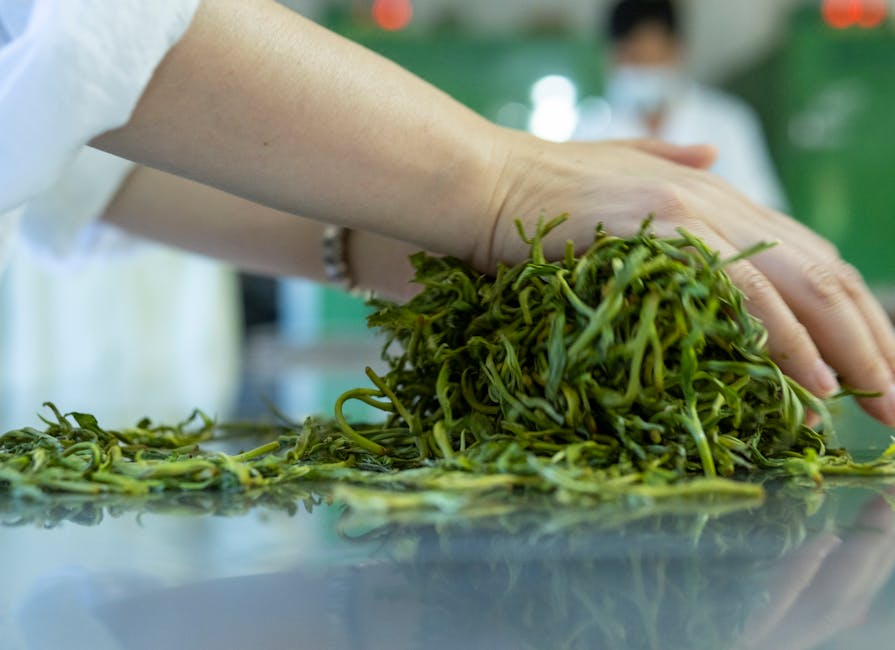
Polyphenols and antioxidants are compounds found in a variety of foods and beverages, known for their potential health benefits. These substances are abundant in foods like green tea, berries, and certain vegetables. They are believed to offer protective effects due to their ability to neutralize free radicals, which can cause cellular damage and contribute to various health issues.
In the context of gut health, polyphenols and antioxidants may play a crucial role in maintaining the balance of the microbiota and supporting the body's natural defenses against harmful bacteria, including Helicobacter pylori (H Pylori). Their antioxidant properties may help reduce inflammation and promote a healthy gastric environment.
4.2 Inhibiting H Pylori Growth
Research suggests that polyphenols and antioxidants may have a direct impact on inhibiting the growth of H Pylori. Studies have indicated that certain polyphenolic compounds can interfere with the bacterium's ability to colonize the gastric lining, thereby reducing its pathogenic potential. This antimicrobial effect is thought to be due to the ability of polyphenols to disrupt bacterial cell membranes and inhibit key enzymes required for bacterial survival.
For instance, green tea polyphenols, particularly catechins, have been studied for their bacteriostatic properties against H Pylori. Similarly, berries, which are rich in flavonoids, may offer complementary benefits by enhancing the overall antioxidant capacity of the diet and providing additional protective effects against H Pylori.
4.3 Promoting Gut Health
Beyond their potential to inhibit H Pylori, polyphenols and antioxidants may support overall gut health by promoting a favorable balance of gut microbiota. These compounds are believed to act as prebiotics, substances that nourish beneficial bacteria in the gut, thereby fostering a healthy microbial environment.
Additionally, the anti-inflammatory properties of polyphenols can contribute to the maintenance of gut integrity and the reduction of gastric inflammation, which are important factors in managing gastrointestinal health. By supporting the body's natural defenses and promoting a balanced microbiome, polyphenols and antioxidants can be an integral part of a holistic approach to gut health.
4.4 Considerations and Future Research
While the potential benefits of polyphenols and antioxidants are promising, it is essential to consider the complexity of their interactions within the body. The bioavailability and metabolism of these compounds can vary significantly among individuals, influencing their efficacy in inhibiting H Pylori and supporting gut health.
Future research should aim to elucidate the specific mechanisms by which polyphenols and antioxidants exert their effects on H Pylori and the gut microbiota. Large-scale clinical trials are necessary to confirm their therapeutic potential and to establish guidelines for their inclusion in dietary strategies aimed at managing H Pylori infections.
In conclusion, polyphenols and antioxidants present a natural and potentially effective means of supporting gastrointestinal health. When incorporated into a balanced diet, they may offer protective benefits against H Pylori and promote a healthy gut environment, complementing other treatment approaches.
5. Garlic's Antibacterial Properties Against H Pylori
5.1 Understanding Allicin
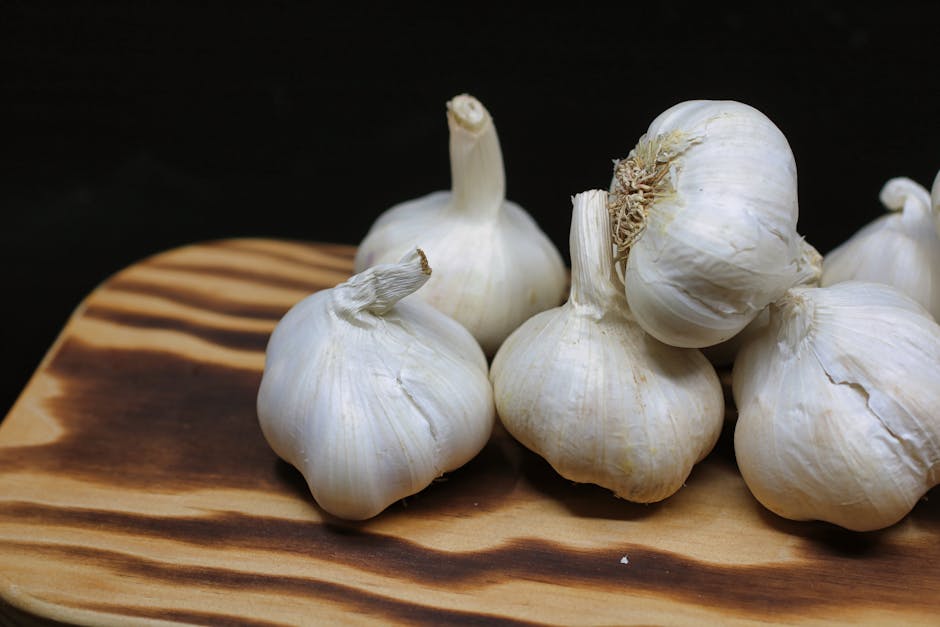
Garlic is renowned for its potential health benefits, particularly due to its active compound, allicin. Allicin is a sulfur-containing compound that is produced when garlic is crushed or chopped. It is believed to be responsible for many of garlic's antibacterial properties. Research suggests that allicin may contribute to reducing the population of harmful bacteria, including Helicobacter pylori (H Pylori), a common pathogen associated with gastric ulcers and other gastrointestinal issues.
5.2 Mechanisms of Action Against H Pylori
Allicin is thought to exert its antibacterial effects through several mechanisms. One proposed mechanism is its ability to disrupt the bacterial cell membrane, leading to the leakage of cellular contents and eventual cell death. Additionally, allicin may inhibit essential enzymes required for bacterial metabolism and survival. These actions could potentially reduce the colonization of H Pylori in the stomach lining, thereby decreasing its pathogenic impact.
5.3 Effectiveness in Reducing H Pylori Populations
Studies investigating garlic's effectiveness against H Pylori have shown promising results. Research indicates that garlic extracts, particularly those rich in allicin, may reduce the bacterial load in individuals infected with H Pylori. However, the extent of this reduction can vary based on factors such as the form and dosage of garlic used, as well as individual differences in metabolism and gut microbiota composition.
5.4 Considerations and Integrating Garlic into Diet
While garlic's antibacterial properties are promising, it is important to consider the variability in its effects. Factors such as the preparation method, garlic variety, and individual dietary habits can influence the bioavailability and efficacy of allicin. Moreover, garlic can interact with certain medications and may not be suitable for everyone, particularly those with specific health conditions or allergies.
Incorporating garlic into a balanced diet may offer supportive benefits for managing H Pylori infections. However, it should be seen as a complementary approach rather than a standalone treatment. Consulting with healthcare professionals can ensure that garlic is integrated safely and effectively into one's dietary regimen.
6. The Benefits of Manuka Honey

6.1 Unique Antibacterial Properties
Manuka honey, derived from the nectar of the Manuka tree, is well-known for its distinct antibacterial properties. These properties are primarily attributed to methylglyoxal (MGO), a compound found in significant concentrations in Manuka honey compared to other types of honey. Research suggests that MGO may contribute to the honey's ability to inhibit the growth of various bacterial strains, making it a potential ally in the fight against bacterial infections.
6.2 Mechanisms of Action Against H Pylori
The antibacterial action of Manuka honey is believed to occur through multiple mechanisms. One potential mechanism involves disrupting bacterial cell walls, thereby impairing their integrity and leading to cell death. Additionally, Manuka honey may prevent bacteria from adhering to gastric tissues, reducing colonization and infection risks. These actions suggest that Manuka honey could be a valuable component in managing H Pylori-related gastrointestinal issues.
6.3 Supporting H Pylori Treatment
In the context of H Pylori infections, Manuka honey's antibacterial properties may offer supportive benefits. Research indicates that incorporating Manuka honey into dietary strategies could potentially reduce H Pylori populations in the stomach. However, it is essential to recognize that while promising, these effects require further validation through large-scale clinical trials to establish standardized guidelines for its use alongside conventional treatments.
6.4 Considerations for Use
While Manuka honey holds potential as a supportive dietary component, there are important considerations for its use. The effectiveness of Manuka honey can vary based on its MGO concentration, which is often indicated by a Unique Manuka Factor (UMF) rating. Consumers should ensure they select products with verified UMF ratings to maximize the potential benefits. Additionally, it should be noted that individuals with certain health conditions, such as diabetes, should be cautious with honey consumption due to its sugar content.
Overall, Manuka honey may complement existing treatment approaches for H Pylori infections. However, consulting healthcare professionals is advisable to ensure its safe integration into one's dietary regimen, particularly for those with underlying health concerns or allergies.
7. Integrating Natural Compounds into a Holistic Treatment Plan

7.1 The Role of Diet in Managing H Pylori
Integrating natural compounds into a treatment plan for H Pylori involves more than just adding specific elements like garlic or Manuka honey. A holistic approach emphasizes the overall diet, considering how various food groups and nutrients can collectively support gut health. Research suggests that a diet rich in fruits, vegetables, whole grains, and lean proteins can help maintain a balanced gut microbiome, which is crucial for managing H Pylori infections. Such a diet may provide essential vitamins and minerals that support the immune system, potentially aiding in the body's ability to manage bacterial infections.
7.2 Lifestyle Modifications for Enhanced Gut Health
Beyond dietary changes, lifestyle modifications are integral to a holistic approach. Stress management techniques, such as meditation, yoga, and regular physical activity, are believed to positively influence gut health by minimizing stress-induced gastrointestinal disturbances. Additionally, ensuring adequate sleep can play a significant role in maintaining overall health and supporting the body's natural healing processes. These lifestyle factors, when combined with dietary strategies, may create an environment less conducive to H Pylori proliferation.
7.3 The Importance of Probiotics and Prebiotics
Probiotics, which are beneficial bacteria, and prebiotics, which are non-digestible fibers that feed probiotics, can be crucial components of a holistic treatment plan. Research indicates that probiotics may help restore balance to the gut microbiota, potentially reducing the colonization of harmful bacteria like H Pylori. Incorporating foods such as yogurt, kefir, and fermented vegetables or considering probiotic supplements might support this balance. Prebiotics found in foods such as garlic, onions, and bananas can further enhance the effectiveness of probiotics by promoting their growth and activity.
7.4 Consulting Healthcare Professionals
While natural compounds and holistic practices may offer supportive benefits, it is essential to approach them with guidance from healthcare professionals. Personalized advice can help ensure that these strategies are tailored to individual health needs and conditions. Healthcare professionals can provide insights into how these natural elements can complement conventional treatments, ensuring a safe and balanced approach to managing H Pylori infections.