
1. Introduction to Acid Reflux and Its Triggers

Acid reflux, often referred to as gastroesophageal reflux disease (GERD) when chronic, is a condition characterized by the backward flow of stomach acid into the esophagus. This condition can cause a variety of uncomfortable symptoms and is influenced by several dietary and lifestyle factors.
1.1 Understanding the Symptoms of Acid Reflux
The symptoms of acid reflux are varied and can significantly impact daily life. Commonly reported symptoms include a burning sensation in the chest, commonly known as heartburn, regurgitation of food or sour liquid, and difficulty swallowing. Other less typical symptoms might include chronic cough, laryngitis, and even disrupted sleep patterns due to discomfort. Recognizing these symptoms is crucial for individuals to seek appropriate management options and lifestyle adjustments.
1.2 Common Triggers of Acid Reflux
Acid reflux can be triggered by multiple factors, often involving dietary choices and lifestyle habits. It is widely believed that certain foods and drinks are more likely to exacerbate acid reflux symptoms. Common dietary triggers include:
- Citrus fruits and juices, which are highly acidic.
- Caffeinated beverages, such as coffee and tea, which may relax the lower esophageal sphincter (LES).
- Spicy foods that can irritate the esophagus.
- Fatty and fried foods that may slow digestion and increase pressure on the LES.
In addition to dietary factors, lifestyle choices such as smoking, alcohol consumption, and even stress levels are believed to play a role in triggering or worsening acid reflux symptoms. Understanding these triggers and their impact can help individuals make informed decisions about their diet and lifestyle to better manage symptoms.
2. The Role of pH Levels in Acid Reflux
Understanding the influence of pH levels in foods can be key to managing acid reflux symptoms. While spicy and fatty foods are commonly recognized triggers, even foods that are not overtly spicy or fatty can impact acid reflux due to their pH levels. The acidity of a food is determined by its pH level, which measures how acidic or alkaline it is. This section explores how these levels can affect GERD symptoms and why attention to pH is important.
2.1 Understanding pH Levels
The pH scale ranges from 0 to 14, with lower numbers representing higher acidity and higher numbers indicating alkalinity. A pH of 7 is considered neutral. Foods with a pH level below 7, such as citrus fruits and vinegar, are acidic, while those above 7, like most vegetables, are alkaline. The stomach naturally contains acidic gastric juices necessary for digestion, but when these acids cause irritation by moving into the esophagus, symptoms of acid reflux occur.
2.2 How pH Levels Impact Acid Reflux
Foods with high acidity levels can exacerbate reflux symptoms by increasing the overall acidity in the stomach, potentially leading to more frequent episodes of acid reflux. Even foods that are not traditionally seen as problematic may have low pH levels that can contribute to symptoms. Conversely, consuming alkaline foods can help neutralize stomach acid and may provide relief from reflux symptoms.
2.3 Strategies for Managing pH Levels
Managing dietary pH levels involves being mindful of the acidity of foods consumed. Research suggests that incorporating more alkaline foods, such as green leafy vegetables, almonds, and certain fruits like melons and bananas, may support symptom management. Additionally, some people find that reducing the intake of highly acidic foods can reduce the frequency and intensity of their symptoms.
While pH levels are a significant factor, it's also crucial to consider other dietary and lifestyle adjustments tailored to individual needs. Recognizing and balancing the pH levels in one's diet can be a valuable component of a comprehensive approach to managing acid reflux symptoms.
3. Citrus Fruits and Their Impact on Acid Reflux

Citrus fruits, including oranges, lemons, and grapefruits, are often celebrated for their nutritional benefits, such as high vitamin C content and antioxidants. However, for individuals suffering from GERD or acid reflux, the natural acidity of these fruits can present challenges. This section delves into how citrus fruits can aggravate reflux symptoms and the underlying science.
3.1 The Acidity of Citrus Fruits
Citrus fruits are known for their high citric acid content, which contributes to their sour taste and low pH levels. This acidity is a key factor in why they are commonly associated with exacerbating acid reflux symptoms. The low pH level of citrus fruits can increase the acidity in the stomach, which may lead to more frequent reflux episodes when the acidic stomach contents move up into the esophagus.
3.2 How Citrus Fruits Affect the Esophagus
When the acidic contents from the stomach reach the esophagus, they can cause irritation and discomfort due to the esophageal lining being more sensitive compared to the stomach's protective lining. Citrus fruits may weaken the lower esophageal sphincter (LES), which acts as a barrier to prevent stomach acids from entering the esophagus. This weakening can result in more acid reflux episodes, making symptoms such as heartburn more pronounced.
3.3 Scientific Insights into Citrus Fruits and GERD
Research suggests that individuals with GERD who consume citrus fruits regularly might experience an increase in their symptoms. Studies have shown that the acidity from these fruits can exacerbate heartburn and other discomforts associated with acid reflux. It's important to note that while some people may experience symptoms after consuming citrus fruits, others may tolerate them without issue. This variability underscores the importance of personalized dietary adjustments.
3.4 Managing Citrus Intake for Acid Reflux Relief
For those who suspect that citrus fruits trigger their reflux symptoms, moderation is key. Reducing the intake of these fruits or consuming them in combination with less acidic foods may help mitigate symptoms. Some individuals find relief by substituting citrus fruits with less acidic alternatives, such as melons or bananas, which are believed to be more GERD-friendly.
Ultimately, understanding the role of citrus fruits in acid reflux can empower individuals to make informed dietary choices. By being mindful of the acidity levels in these fruits, reflux sufferers can tailor their diet to better manage and possibly alleviate their symptoms.
4. The Surprising Effect of Tomatoes on Acid Reflux

Tomatoes are a staple in many diets, appreciated for their versatility and nutritional value. However, for individuals with gastroesophageal reflux disease (GERD), tomatoes and tomato-based products can be unexpected culprits in triggering acid reflux. This section explores the reasons behind this paradox, focusing on the high acid content inherent in tomatoes.
4.1 Understanding the Acidity of Tomatoes
Tomatoes, despite not being fatty or spicy, possess a significant level of acidity that can affect those with acid reflux. The natural acid content in tomatoes is primarily due to citric and malic acids, which contribute to their tangy flavor. This acidity can lower the pH level in the stomach, potentially increasing the incidence of reflux when stomach contents move into the esophagus.
4.2 The Impact of Tomato-Based Products
Tomato-based products such as sauces, juices, and pastes often concentrate the acids found in fresh tomatoes, making them even more likely to trigger reflux symptoms. The cooking process can sometimes intensify the acidic nature of these products, leading to a more pronounced effect on the digestive system, particularly for those with a sensitivity to acidic foods.
4.3 How Tomatoes Affect the Esophageal Sphincter
Research suggests that the acids in tomatoes may weaken the lower esophageal sphincter (LES), the valve responsible for preventing stomach acids from entering the esophagus. A weakened LES can increase the frequency and severity of reflux episodes, causing discomfort and symptoms such as heartburn and regurgitation.
4.4 Scientific Insights and Dietary Considerations
Studies have shown that individuals with GERD who consume tomatoes regularly may experience an increase in symptoms. However, the degree of sensitivity to tomatoes can vary among individuals. Some may tolerate small amounts without issue, while others might need to avoid them to minimize reflux episodes. It is believed that reducing the intake of tomatoes and opting for less acidic alternatives could help manage symptoms for some sufferers.
Overall, understanding the role of tomatoes in acid reflux is crucial for those looking to manage their symptoms effectively. By being aware of the potential effects of tomatoes and making informed dietary choices, individuals can take proactive steps in their journey toward minimizing discomfort associated with acid reflux.
5. Chocolate: A Sweet Culprit

Chocolate is often cherished for its rich flavor and comforting qualities, making it a beloved treat for many. However, for individuals suffering from gastroesophageal reflux disease (GERD), chocolate can be an unexpected trigger for acid reflux. Despite its non-spicy and non-fatty nature, chocolate's impact on the lower esophageal sphincter (LES) requires closer examination.
5.1 How Chocolate Affects the Lower Esophageal Sphincter
Research suggests that chocolate may contribute to acid reflux by relaxing the LES, the muscle that acts as a barrier to prevent stomach acids from moving up into the esophagus. The relaxation of this sphincter can lead to an increased likelihood of acid reflux episodes, causing discomfort such as heartburn and regurgitation. The compounds in chocolate, including caffeine and theobromine, are believed to play a role in this relaxation process.
5.2 The Role of Caffeine and Theobromine
Chocolate contains both caffeine and theobromine, naturally occurring stimulants that can affect the digestive system. It is believed that these compounds may decrease LES pressure, leading to a higher risk of acid backflow into the esophagus. While caffeine is more commonly associated with coffee and tea, its presence in chocolate, especially in darker varieties, should not be overlooked by those managing GERD symptoms.
5.3 Variability Among Chocolate Types
Not all chocolates are created equal, and the impact of chocolate on acid reflux can vary depending on the type and quantity consumed. Dark chocolate typically contains higher levels of caffeine and theobromine compared to milk chocolate, which may make it more likely to trigger reflux. Additionally, chocolate products containing added fats or dairy may further exacerbate symptoms for certain individuals.
5.4 Dietary Considerations for Chocolate Lovers
For those with GERD who enjoy chocolate, moderation is key. It is suggested that limiting chocolate intake and opting for lower-caffeine varieties may help diminish the frequency of reflux episodes. Individuals may also consider experimenting with different chocolate types to determine personal tolerance levels, as sensitivities can vary widely. By being mindful of chocolate consumption, reflux sufferers can potentially reduce discomfort without having to completely forgo this indulgent treat.
Understanding the role of chocolate in acid reflux can empower individuals to make informed dietary choices. By recognizing chocolate as a potential trigger and adjusting consumption habits accordingly, those affected by GERD can take proactive steps toward managing their symptoms more effectively.
6. Caffeine’s Role in Acid Reflux

Caffeine is a widely consumed stimulant found in various beverages, including coffee, tea, and certain sodas. While it is cherished for its invigorating effects, caffeine can be a potential trigger for acid reflux symptoms in susceptible individuals. Understanding how caffeine interacts with the digestive system is essential for those aiming to manage their gastroesophageal reflux disease (GERD) effectively.
6.1 Caffeine and Stomach Acid Production
Research suggests that caffeine may increase stomach acid production, which can lead to heightened acid levels in the digestive tract. For individuals with GERD, this increase in stomach acid can exacerbate reflux symptoms, such as heartburn and regurgitation. The exact mechanism by which caffeine influences acid production is not fully understood, but it is believed to stimulate gastric acid secretion, thereby intensifying the discomfort associated with acid reflux.
6.2 Impact on the Lower Esophageal Sphincter
In addition to increasing stomach acid production, caffeine is also believed to affect the lower esophageal sphincter (LES), the muscle that prevents stomach acids from moving up into the esophagus. Studies indicate that caffeine may relax the LES, reducing its ability to function as an effective barrier. This relaxation can result in acid backflow, leading to the characteristic symptoms of GERD. Given the dual impact on acid production and LES function, caffeine-containing beverages can be a significant factor for those experiencing acid reflux.
6.3 Considerations for Coffee and Tea Drinkers
Coffee and tea are among the most common sources of caffeine, and their consumption is widespread across cultures. For individuals with GERD, it may be beneficial to monitor and potentially reduce the intake of these beverages. Opting for decaffeinated versions or limiting the quantity consumed can help mitigate the potential for reflux episodes. Additionally, exploring alternative beverages, such as herbal teas that do not contain caffeine, could offer a soothing option without exacerbating symptoms.
6.4 Soda and Caffeine Content
Certain sodas also contain caffeine, along with carbonation, which can further aggravate acid reflux symptoms. The combination of caffeine and carbonated bubbles may contribute to increased gastric pressure and acid production. Individuals sensitive to caffeine may find that reducing or eliminating caffeinated sodas from their diet helps diminish the frequency and severity of reflux episodes.
By understanding caffeine's role in acid reflux and making informed beverage choices, individuals can take proactive steps toward managing their symptoms. Recognizing caffeine as a potential trigger and adjusting consumption habits accordingly can empower those affected by GERD to reduce discomfort and improve their quality of life.
7. The Hidden Risks of Carbonated Beverages

Carbonated beverages have become a staple in modern diets, offering a refreshing fizz that many enjoy. However, for individuals with gastroesophageal reflux disease (GERD), these bubbly drinks may present significant risks. The carbonation process involves dissolving carbon dioxide gas into a liquid, resulting in the formation of bubbles. While this creates the effervescence that is so appealing, it can also lead to increased pressure in the stomach, potentially triggering acid reflux episodes.
7.1 Increased Gastric Pressure
When carbonated beverages are consumed, the carbon dioxide gas can expand in the stomach, leading to increased gastric pressure. This pressure can push stomach contents, including acid, up into the esophagus, causing the symptoms associated with acid reflux. The more carbonation a beverage contains, the greater the potential for pressure build-up. This is particularly concerning for individuals with a weakened lower esophageal sphincter (LES), as the increased pressure can overwhelm this barrier and exacerbate reflux symptoms.
7.2 Impact on the Lower Esophageal Sphincter
In addition to increasing gastric pressure, carbonation may also affect the LES directly. The LES acts as a valve that prevents the backflow of stomach contents into the esophagus. However, the consumption of carbonated drinks can lead to the relaxation of the LES, reducing its effectiveness as a barrier. This relaxation, combined with the heightened gastric pressure, can significantly increase the risk of acid reflux episodes, leading to discomfort and potential damage to the esophageal lining over time.
7.3 Considerations for Carbonated Beverage Consumption
For those with GERD, it may be advisable to limit or avoid the consumption of carbonated beverages to reduce the risk of reflux. Alternatives such as still water, herbal teas, or non-carbonated drinks may be less likely to cause gastric pressure build-up and subsequent reflux episodes. Additionally, being mindful of portion sizes and the frequency of carbonated beverage consumption can help manage symptoms. Opting for non-carbonated options can be a proactive step in mitigating the hidden risks associated with these fizzy drinks.
Understanding the potential impact of carbonated beverages on GERD symptoms enables individuals to make informed choices about their diet. By reducing or eliminating these drinks, individuals may experience a decrease in reflux episodes, contributing to improved digestive health and overall well-being.
8. Garlic and Onions: Flavorful but Risky

Garlic and onions are beloved ingredients in many culinary traditions, valued for their robust flavors and aromatic qualities. However, for individuals suffering from gastroesophageal reflux disease (GERD), these ingredients can pose significant challenges. Although not traditionally classified as spicy foods, garlic and onions have properties that can irritate the esophagus and potentially exacerbate acid reflux symptoms.
8.1 Mechanisms of Irritation
Research suggests that garlic and onions may contribute to acid reflux symptoms through several mechanisms. Both ingredients contain compounds that can relax the lower esophageal sphincter (LES), the muscle that acts as a barrier between the stomach and esophagus. When the LES relaxes, stomach acid can more easily move back into the esophagus, leading to the burning sensation commonly associated with acid reflux. Furthermore, the high fiber content in onions can increase gastric pressure, adding to the risk of reflux.
8.2 Impact on the Esophageal Lining
In addition to affecting the LES, garlic and onions may irritate the esophageal lining directly. The pungent compounds found in these ingredients, such as allicin in garlic, can be harsh on the sensitive tissue of the esophagus. This irritation can lead to discomfort and exacerbate the symptoms of acid reflux, such as heartburn and indigestion. For individuals with GERD, the consumption of raw onions or garlic may be particularly problematic, as the raw form is more potent than when cooked.
8.3 Dietary Considerations
For those who experience acid reflux, it may be beneficial to evaluate the role of garlic and onions in their diet. Cooking these ingredients can reduce their potency and potentially lessen their impact on reflux symptoms. Additionally, individuals might consider using alternative flavoring agents, such as herbs or spices that are less likely to trigger reflux. Recognizing personal tolerance levels and adjusting consumption accordingly can aid in managing GERD symptoms effectively.
In understanding the potential risks associated with garlic and onions, individuals with GERD can make informed dietary choices. By moderating their intake of these flavorful, yet risky, ingredients, they may experience a reduction in reflux episodes and an improvement in overall digestive comfort and health.
9. Dairy Products and Acid Reflux
Dairy products are a staple in many diets, favored for their nutritional benefits, particularly their high calcium content. However, for individuals suffering from gastroesophageal reflux disease (GERD), certain dairy products can be problematic. Understanding the potential impact of these foods on acid reflux can help individuals make informed dietary choices to manage their symptoms effectively.
9.1 High Calcium Content and LES Relaxation
Research suggests that the calcium found in dairy products, although essential for bone health, may have a dual effect on individuals with GERD. Calcium can act as a natural muscle relaxant, and this property may extend to the lower esophageal sphincter (LES). When the LES relaxes, it can allow stomach acid to reflux back into the esophagus, leading to discomfort and the characteristic burning sensation associated with acid reflux. This mechanism highlights why high-calcium dairy products might exacerbate symptoms in some individuals.
9.2 Dairy Fat Content and Digestive Impact
In addition to calcium, the fat content in dairy products can also play a role in acid reflux. High-fat foods are known to delay stomach emptying, which can increase gastric pressure and the likelihood of acid reflux. Full-fat dairy products, such as whole milk, cheese, and butter, may contribute to this effect. For individuals with GERD, opting for low-fat or non-fat dairy alternatives might help reduce the frequency and severity of reflux episodes.
9.3 Lactose Intolerance and Acid Reflux
Lactose intolerance, characterized by the inability to digest lactose, the sugar found in milk, can also exacerbate GERD symptoms. For lactose-intolerant individuals, consuming dairy products can lead to increased gas, bloating, and stomach discomfort, which may in turn aggravate acid reflux. Choosing lactose-free dairy options or exploring plant-based alternatives could be beneficial for managing symptoms in lactose-intolerant individuals with GERD.
9.4 Evaluating Dairy's Role in the Diet
For those with GERD, evaluating the role of dairy products in their diet is crucial. Individuals may benefit from keeping a food diary to track how different dairy products affect their reflux symptoms. Reducing the intake of high-fat and high-calcium dairy products, as well as considering lactose-free alternatives, may support better digestive health. By understanding personal tolerance levels and adjusting consumption accordingly, individuals can strive to maintain a balanced diet while managing GERD symptoms.
In exploring the relationship between dairy products and acid reflux, individuals can make informed dietary choices to minimize discomfort and improve their overall quality of life. By recognizing the potential triggers within their diet, those with GERD can take proactive steps towards managing their symptoms effectively.
10. Managing Dietary Triggers: Practical Tips
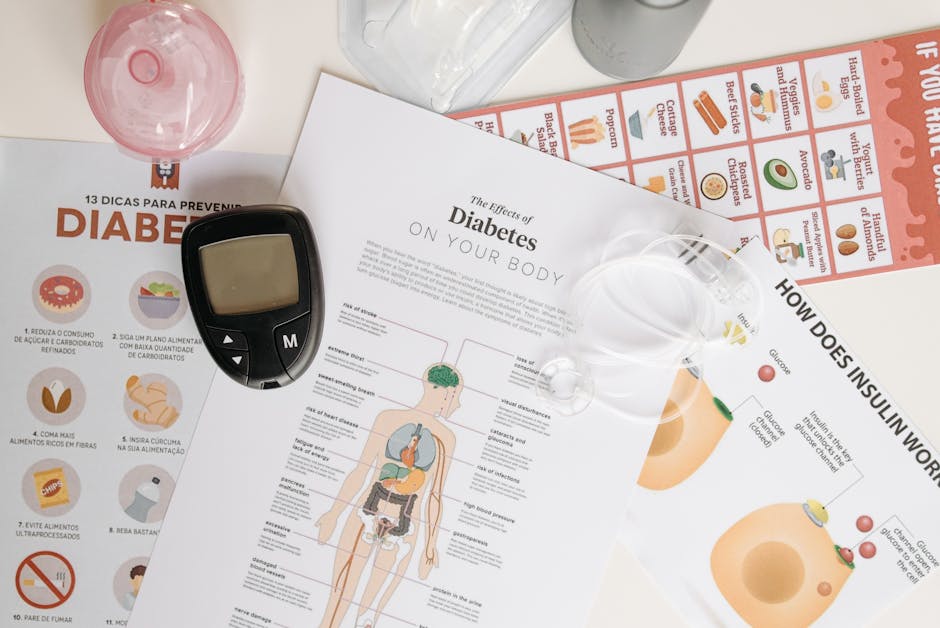
For individuals suffering from GERD, managing dietary triggers is a key component of reducing symptoms and improving quality of life. Identifying personal food triggers and making informed choices can significantly help in managing acid reflux. This section provides evidence-based strategies and practical tips for managing GERD through diet.
10.1 Identifying Personal Triggers
Identifying personal dietary triggers is a crucial first step in managing GERD. Although common foods like citrus fruits, tomatoes, and spicy dishes are known to exacerbate acid reflux, individual responses can vary. Keeping a detailed food diary can help track which foods and beverages trigger symptoms. By recording meals and any subsequent discomfort, individuals can better understand their own dietary triggers and make adjustments accordingly.
10.2 Making Informed Food Choices
Once personal triggers are identified, making informed food choices becomes easier. Research suggests that low-acid foods, such as bananas, melons, oatmeal, and non-citrus fruits, may be less likely to provoke GERD symptoms. Additionally, opting for lean proteins like chicken, turkey, and fish, as well as whole grains and vegetables, can help maintain a balanced diet while minimizing reflux episodes. It's important to focus on foods that are less likely to relax the lower esophageal sphincter or increase stomach acidity.
10.3 Portion Control and Eating Habits
Beyond food selection, how and when you eat can also impact GERD symptoms. Eating smaller, more frequent meals instead of large ones can help prevent excessive stomach pressure, which can lead to reflux. Additionally, research suggests that eating meals at least two to three hours before lying down can reduce the likelihood of nighttime symptoms. Mindful eating practices, such as chewing slowly and thoroughly, can also support digestion and reduce the risk of reflux.
10.4 Hydration and Beverage Choices
Proper hydration is essential, but some beverages can trigger GERD symptoms. Alcohol, caffeine, and carbonated drinks are known to exacerbate reflux in some individuals. Water is generally the safest choice; however, research suggests that drinking herbal teas like ginger or chamomile may also help soothe the digestive tract. It's important to monitor how different beverages affect personal symptoms and adjust intake as needed.
10.5 Incorporating Probiotics
Probiotics, found in foods like yogurt, kefir, and certain fermented foods, are believed to support gut health and could potentially help manage GERD symptoms. Although more research is needed, probiotics may help balance stomach acidity and improve digestion. For those considering probiotics, it's advisable to start with small amounts and monitor their impact on reflux symptoms.
Through careful monitoring and informed dietary choices, individuals with GERD can manage their symptoms more effectively. By understanding personal triggers and making strategic adjustments, it is possible to enjoy a varied and nutritious diet while minimizing discomfort from acid reflux.