
1. Nutritional Profile of Broccoli Sprouts
Broccoli sprouts are emerging as a nutritional powerhouse, gaining attention for their dense nutrient composition. As young seedlings of the broccoli plant, they are packed with a variety of vitamins, minerals, and antioxidants that contribute to their health-promoting properties. Understanding their nutritional profile is essential for appreciating their potential benefits for individuals managing GERD and other digestive concerns.
1.1 Vitamins in Broccoli Sprouts
Broccoli sprouts are a rich source of essential vitamins, which play a crucial role in maintaining overall health. They are particularly high in vitamin C, known for its antioxidant properties and its role in immune function. Additionally, these sprouts contain vitamin A, which is important for vision and skin health, and vitamin K, which supports bone health and proper blood clotting.
1.2 Mineral Content
In addition to vitamins, broccoli sprouts offer a wealth of important minerals. They provide a substantial amount of calcium, which is vital for bone health and muscle function. Potassium, another key mineral found in broccoli sprouts, helps regulate blood pressure and fluid balance in the body. The presence of magnesium and iron further enhances their nutritional profile, supporting muscle health and oxygen transport in the blood.
1.3 Antioxidant Properties
One of the most remarkable aspects of broccoli sprouts is their high concentration of antioxidants. These compounds help neutralize free radicals, which can cause oxidative stress and contribute to chronic diseases. Broccoli sprouts are particularly noted for their sulforaphane content, a potent antioxidant believed to support detoxification processes and cellular health. This antioxidant capacity is a significant factor in considering broccoli sprouts as a beneficial food for managing GERD symptoms.
1.4 Phytochemicals and Bioactive Compounds
Beyond vitamins and minerals, broccoli sprouts are abundant in phytochemicals and bioactive compounds. These include glucosinolates, which are sulfur-containing compounds that may support liver function and help reduce inflammation. The presence of these natural compounds can enhance the body's ability to manage oxidative stress and inflammatory responses, potentially benefiting those with GERD.
In summary, the nutritional profile of broccoli sprouts is rich and varied, providing a wide array of vitamins, minerals, antioxidants, and bioactive compounds. This impressive nutrient density sets the stage for understanding how broccoli sprouts may play a role in supporting digestive health and overall well-being.
2. Sulforaphane: The Potent Compound in Broccoli Sprouts

2.1 Understanding Sulforaphane
Sulforaphane is a sulfur-rich compound found in high concentrations in broccoli sprouts. It belongs to a group of phytochemicals known as isothiocyanates, which are derived from glucosinolates. Research suggests that sulforaphane has significant health-promoting properties, particularly in relation to gut health and inflammation management. This compound is activated when broccoli sprouts are chewed or chopped, converting glucoraphanin into sulforaphane through an enzymatic process.
2.2 Role in Promoting Gut Health
The gut health benefits of sulforaphane are believed to stem from its ability to support the body's natural detoxification processes. It may enhance the production of enzymes that neutralize toxins and promote the removal of harmful substances from the digestive system. By aiding in detoxification, sulforaphane could contribute to the maintenance of a healthy gut environment, which is crucial for individuals dealing with digestive challenges such as GERD.
2.3 Anti-inflammatory Properties
Sulforaphane is also noted for its anti-inflammatory properties. Chronic inflammation is a common underlying factor in many digestive disorders, including GERD. Research indicates that sulforaphane may help modulate inflammatory responses by influencing signaling pathways involved in inflammation. This action could potentially alleviate some of the discomfort associated with inflammatory digestive conditions by reducing the overall inflammatory burden on the body.
2.4 Antioxidant Activity
As a potent antioxidant, sulforaphane plays a role in protecting cells from oxidative stress. Oxidative stress occurs when there is an imbalance between free radicals and antioxidants in the body, leading to cell damage. By neutralizing free radicals, sulforaphane may help safeguard the cells lining the digestive tract, potentially offering protective benefits for those with GERD and reducing the risk of further complications.
2.5 Potential Broader Health Impacts
Beyond gut health and inflammation, sulforaphane's benefits may extend to other areas of health. Its potential to support the immune system, improve detoxification, and protect against certain chronic diseases is being explored in scientific studies. While more research is needed to fully understand these broader impacts, the current findings highlight sulforaphane as a compound of great interest for its diverse health-promoting properties.
In conclusion, sulforaphane is a remarkable compound within broccoli sprouts, offering potential benefits for gut health and inflammation reduction. Its antioxidant and anti-inflammatory properties, coupled with its role in detoxification, underscore its significance as a natural compound that may support digestive wellness, particularly for those managing conditions like GERD.
3. Broccoli Sprouts and Gut Microbiome Health
3.1 The Gut Microbiome: An Overview
The gut microbiome comprises a complex community of microorganisms residing in the digestive tract. This ecosystem plays a vital role in numerous bodily functions, including digestion, immune response, and even mental health. A balanced gut microbiome is essential for maintaining overall digestive health and preventing disorders such as GERD. Disruptions to this balance, often caused by poor diet, stress, or illness, can lead to digestive issues and inflammation.
3.2 How Broccoli Sprouts Influence the Microbiome
Broccoli sprouts have garnered attention for their potential to positively influence gut microbiota. Research suggests that the compounds in broccoli sprouts, particularly sulforaphane, may help foster a balanced microbiome by promoting the growth of beneficial bacteria while inhibiting harmful ones. This shift in microbial populations can enhance digestive function and support a healthier gut environment.
3.3 Sulforaphane's Role in Microbial Balance
Sulforaphane, a key compound in broccoli sprouts, is believed to contribute to microbial balance by acting as a prebiotic. Prebiotics are compounds that feed beneficial gut bacteria, helping them thrive. By supporting the growth of these bacteria, sulforaphane may help maintain a stable gut ecosystem, which is crucial for individuals with GERD who often experience imbalances in their gut microbiota.
3.4 Enhancing Digestive Health
The presence of diverse and balanced gut microbiota is associated with improved digestion and nutrient absorption. Broccoli sprouts, through their action on the microbiome, may enhance these processes, reducing symptoms associated with digestive disorders. Improved digestion can lead to less discomfort and a decreased likelihood of complications related to GERD.
3.5 Supporting a Balanced Gut Ecosystem
The ability of broccoli sprouts to support a balanced gut ecosystem extends beyond digestion. A well-balanced microbiome also plays a role in modulating the immune system and reducing inflammation. By potentially lowering inflammation, broccoli sprouts may contribute to alleviating some of the underlying factors of GERD, offering a natural approach to managing this condition.
3.6 Conclusion
Broccoli sprouts, through their rich content of sulforaphane and other beneficial compounds, have promising effects on gut microbiome health. By promoting a balanced microbial community, enhancing digestion, and supporting a healthy gut environment, broccoli sprouts could play a valuable role in natural digestive health strategies, particularly for those managing conditions like GERD. Further research is needed to fully understand these impacts, but current findings are encouraging for those seeking natural solutions.
4. Alleviating GERD Symptoms with Broccoli Sprouts

4.1 Anti-Inflammatory Properties
Broccoli sprouts are rich in compounds believed to possess anti-inflammatory properties, which may be beneficial for individuals with GERD. Inflammation is a key factor in the development and persistence of GERD symptoms, as it can exacerbate the irritation of the esophagus and stomach lining. By potentially reducing inflammation, broccoli sprouts might help in alleviating some of the discomfort associated with GERD.
4.2 Antioxidant Benefits
The antioxidant capacity of broccoli sprouts is another aspect that may support those experiencing GERD. Antioxidants help combat oxidative stress, which is often linked to inflammation and damage in the gastrointestinal tract. By neutralizing free radicals, the antioxidants in broccoli sprouts may contribute to protecting the esophageal lining from further damage, thereby possibly reducing GERD symptoms.
4.3 Potential Mechanisms of Action
Research suggests that the presence of sulforaphane in broccoli sprouts is a key factor in their potential to manage GERD symptoms. Sulforaphane is thought to trigger the activation of certain pathways in the body that can reduce inflammation and enhance antioxidant defenses. These mechanisms may collectively help in soothing and protecting the digestive system, offering a natural way to mitigate GERD-related discomfort.
4.4 Integrating Broccoli Sprouts into the Diet
For individuals seeking to explore the benefits of broccoli sprouts, incorporating them into a balanced diet may be a practical approach. While scientific evidence is still evolving, their potential anti-inflammatory and antioxidant properties make them an attractive addition for those aiming to manage GERD symptoms naturally. As always, it is advisable to consult with a healthcare professional before making significant dietary changes, especially for individuals with health conditions.
4.5 Conclusion
Broccoli sprouts offer promising potential in the management of GERD symptoms through their anti-inflammatory and antioxidant properties. While further research is needed to solidify these findings, their natural compounds, particularly sulforaphane, may offer a complementary approach for those seeking relief from GERD. By potentially reducing inflammation and oxidative stress, broccoli sprouts could play a part in a holistic strategy for managing digestive health.
5. Antioxidant Properties and Stomach Protection
5.1 Understanding Antioxidants in Broccoli Sprouts
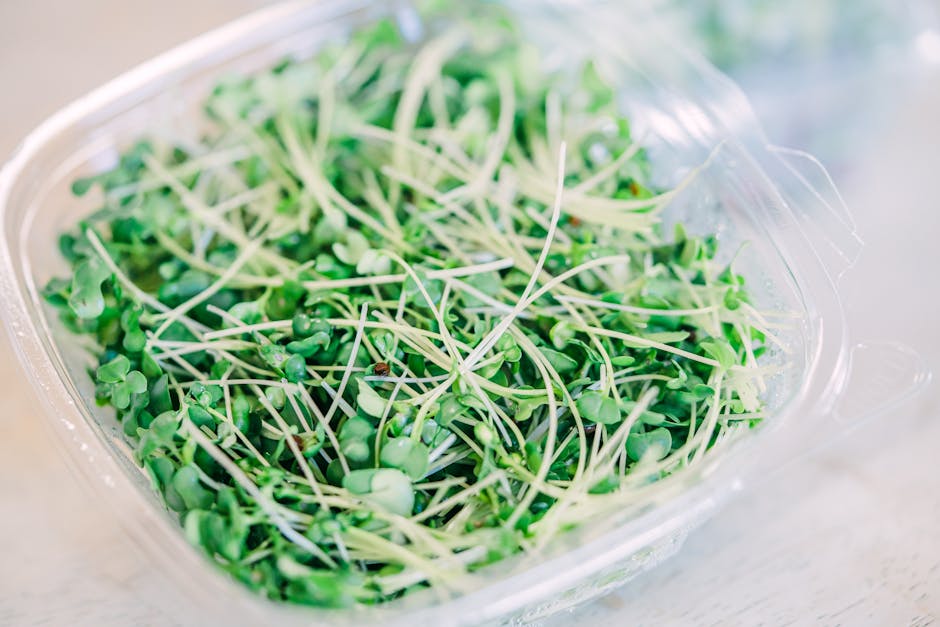
Broccoli sprouts are packed with antioxidants, which are compounds that play a crucial role in neutralizing free radicals in the body. Free radicals are unstable molecules that can cause oxidative stress, leading to cellular damage. The high antioxidant content in broccoli sprouts, particularly the presence of sulforaphane, is believed to offer protective benefits to the stomach lining by combating oxidative stress.
5.2 Mechanisms of Stomach Protection
Research suggests that the antioxidant properties of broccoli sprouts may help in protecting the stomach lining from oxidative damage. Oxidative stress is known to exacerbate inflammation and contribute to the deterioration of gastric mucosal cells. By potentially reducing oxidative stress, the antioxidants in broccoli sprouts could help maintain the integrity of the stomach lining and support overall digestive health.
5.3 The Role of Sulforaphane
Sulforaphane, a potent compound found in broccoli sprouts, is particularly noted for its antioxidant capabilities. It is believed to activate pathways that enhance the body's natural antioxidant defenses. This activation may lead to a reduction in oxidative stress and an improvement in the stomach's ability to resist damage from harmful agents, thus offering a protective effect on the gastric mucosa.
5.4 Implications for GERD Management
For individuals managing Gastroesophageal Reflux Disease (GERD), the antioxidant properties of broccoli sprouts may offer additional support in protecting the esophageal and stomach linings from damage. By potentially reducing oxidative stress and inflammation, broccoli sprouts might contribute to a decrease in the severity of GERD symptoms, complementing other dietary and lifestyle interventions.
5.5 Future Research Directions
While current research highlights the promising antioxidant properties of broccoli sprouts, further studies are necessary to fully understand their impact on stomach protection and GERD management. Continued exploration in this area could lead to the development of more effective natural strategies for enhancing digestive health and mitigating the effects of oxidative stress on the stomach lining.
6. Integrating Broccoli Sprouts into Your Diet
6.1 Understanding Broccoli Sprouts
Broccoli sprouts are young, three-to-four-day-old broccoli plants that are rich in nutrients and beneficial compounds like sulforaphane. They are known for their potential health benefits, including antioxidant and anti-inflammatory properties that may support digestive health. Incorporating these sprouts into your diet may contribute to a holistic approach to managing GERD symptoms.
6.2 Simple Ways to Add Broccoli Sprouts
- Salads: Sprinkle a handful of broccoli sprouts over your favorite salad for an added crunch and nutritional boost.
- Sandwiches and Wraps: Layer them into sandwiches or wraps to add freshness and a subtle peppery flavor.
- Smoothies: Blend broccoli sprouts into smoothies with fruits and vegetables for an easy, nutrient-packed beverage.
- Soups: Garnish soups with broccoli sprouts just before serving to preserve their delicate texture and flavor.
- Toppings: Use them as a topping for avocado toast or mixed into coleslaw for added texture and benefits.
6.3 Pairing Broccoli Sprouts with Other Foods
To enhance the absorption of sulforaphane, consider pairing broccoli sprouts with foods that contain myrosinase, an enzyme that aids in its conversion. Foods like mustard, radish, and wasabi are rich in myrosinase and can complement broccoli sprouts in various dishes. Additionally, combining them with healthy fats, such as those found in olive oil or avocado, may further enhance nutrient absorption.
6.4 Frequency and Moderation
While incorporating broccoli sprouts into your diet can be beneficial, it's important to consume them in moderation. Start by adding small amounts to your meals and gradually increase as desired, keeping in mind any personal dietary restrictions or sensitivities. Consulting with a healthcare professional is recommended, especially for individuals with specific health conditions.
6.5 Considerations for Safety
As with any raw vegetable, it is crucial to ensure broccoli sprouts are fresh and properly washed to minimize the risk of foodborne illnesses. Purchasing sprouts from reputable sources and storing them in a refrigerator can help maintain their quality and safety. If you have a compromised immune system or are concerned about potential risks, consider cooking the sprouts lightly to reduce any bacterial presence.
6.6 Conclusion
Integrating broccoli sprouts into your diet can be a flavorful and nutritious way to potentially support digestive health and manage GERD symptoms. Their versatility in various dishes makes them an easy addition to meals, offering both culinary variety and health benefits. As part of a balanced diet, broccoli sprouts may complement other dietary strategies aimed at promoting overall digestive well-being.
7. Scientific Studies Supporting Digestive Benefits

7.1 Sulforaphane and Digestive Health
Research suggests that sulforaphane, a prominent compound in broccoli sprouts, plays a crucial role in supporting digestive health. A study published in the journal Clinical Gastroenterology and Hepatology highlighted sulforaphane's potential to help regulate inflammatory responses in the gut, which may be beneficial for individuals dealing with conditions like GERD. The compound's antioxidant properties are believed to protect the gastrointestinal tract from oxidative stress, potentially alleviating symptoms associated with digestive discomfort.
7.2 Antimicrobial Properties
Broccoli sprouts are also studied for their antimicrobial effects. A study in the journal Foodborne Pathogens and Disease explored the ability of sulforaphane to inhibit the growth of Helicobacter pylori, a bacterium linked to gastric ulcers and an increased risk of gastric cancer. The findings suggest that incorporating broccoli sprouts into the diet may contribute to maintaining a healthy balance of gut flora, potentially reducing the risk of infections that could exacerbate GERD symptoms.
7.3 Impact on Gut Microbiota
Emerging research indicates that the consumption of broccoli sprouts may positively influence gut microbiota composition. A study published in the journal Frontiers in Nutrition examined how the bioactive compounds in broccoli sprouts interact with gut microbiota, suggesting that they may promote the growth of beneficial bacteria while inhibiting harmful strains. This modulation of the gut environment could support overall digestive health and aid in the management of GERD by fostering a healthier gut ecosystem.
7.4 Anti-inflammatory Effects
The anti-inflammatory properties of broccoli sprouts have been a focal point in scientific investigations. Research published in Nutrition Research showed that regular consumption of broccoli sprouts could lead to reduced markers of inflammation in the digestive tract. By mitigating chronic inflammation, these sprouts may help alleviate symptoms of GERD and contribute to improved digestive function.
7.5 Potential for Cancer Prevention
While not directly related to GERD, the potential cancer-preventive properties of broccoli sprouts are noteworthy. A study in Cancer Prevention Research suggests that the high levels of sulforaphane and other phytochemicals in broccoli sprouts may reduce the risk of certain digestive tract cancers. This is an added benefit for individuals seeking to enhance their overall digestive health while potentially safeguarding against more severe complications.
These studies collectively underscore the potential benefits of incorporating broccoli sprouts into the diet as part of a strategy to support digestive health. While further research is needed to fully understand the mechanisms and efficacy, the existing evidence provides a promising outlook on the role of broccoli sprouts in promoting a healthier digestive system.
8. Potential Side Effects and Considerations

8.1 Digestive Discomfort
While broccoli sprouts offer numerous potential benefits for digestive health, some individuals may experience digestive discomfort when consuming them. This can include symptoms such as bloating, gas, or mild stomach upset. It is believed that these effects may be due to the high fiber content and the presence of certain compounds that can be difficult for some people to digest. Those new to consuming broccoli sprouts may want to start with small amounts to assess their tolerance.
8.2 Allergic Reactions
Although rare, allergic reactions to broccoli sprouts can occur. Symptoms of an allergic reaction might include itching, swelling, or difficulty breathing. Individuals with known allergies to other cruciferous vegetables, such as broccoli or kale, should be cautious and consider consulting with a healthcare professional before adding broccoli sprouts to their diet.
8.3 Interaction with Medications
Certain compounds in broccoli sprouts, particularly sulforaphane, may interact with medications. For instance, the antioxidant properties of sulforaphane could potentially interfere with the action of medications that rely on oxidative mechanisms. Individuals taking prescription medications should discuss with their healthcare provider to determine if incorporating broccoli sprouts into their diet is appropriate.
8.4 Oxalate Content
Broccoli sprouts contain oxalates, which are naturally occurring compounds found in many plants. High levels of oxalates can contribute to the formation of kidney stones in susceptible individuals. Those with a history of kidney stones or oxalate sensitivity should take this into consideration and consult a healthcare professional before consuming large amounts of broccoli sprouts.
8.5 Quality and Safety Concerns
The quality and safety of broccoli sprouts can vary depending on their source. It is important to purchase sprouts from reputable suppliers and ensure they are grown under safe and hygienic conditions. Improperly handled or contaminated sprouts can pose a risk of foodborne illness. Washing sprouts thoroughly and storing them at the correct temperature can help mitigate these risks.
In conclusion, while broccoli sprouts can be a valuable addition to a diet aimed at supporting digestive health, individuals should be aware of potential side effects and considerations. Balancing the benefits with these factors can help ensure a safe and enjoyable experience when incorporating broccoli sprouts into one's dietary regimen.